
Growth is not for everyone: the wage gap in the labor market will continue to widen in 2026.
The Russian labor market is completing its transition to a new phase. The period when wages rose almost everywhere due to an acute shortage of personnel is coming to an end. Despite an increase in the number of résumés in 2025, a shortage of qualified specialists persists, especially in complex and responsible positions.
According to labor market analysts’ forecasts, in 2026 income levels and growth rates will be determined by specific factors — professional expertise, rare competencies, and an employee’s contribution to the company’s financial results or resilience. Employers are increasingly focusing not on mass training but on targeted investments in promising employees.
In the IT sector, overall wage growth will slow to 8–10% due to the high-base effect. At the same time, incomes of strategically important specialists — architects, DevOps engineers, senior developers, and ML engineers — may rise by 12–15%. The gap between junior and senior levels will continue to widen. The highest-paid roles remain narrow and scarce specializations, in particular Kotlin and Go developers, where median salaries reach 350–370 thousand rubles.
Commercial healthcare will maintain consistently strong momentum. Incomes of doctors in narrow, high-tech specialties are expected to rise by at least 10–12% in 2026. Additional pressure on the market will be created by the mandatory service obligation for medical university graduates within the compulsory medical insurance (OMS) system, which may exacerbate staff shortages in private clinics.
In industry and construction, wage growth for engineering and technical workers is expected to be in the range of 9–12%. Demand for qualified engineers and design engineers remains high amid the development of manufacturing and infrastructure projects. At the same time, the skilled trades segment remains short-staffed: employers note that a formal increase in the number of résumés does not solve the problem of a lack of experienced specialists.
In the transport, logistics, delivery, and retail sectors, incomes are forecast to grow by 7–9%, but the emphasis will shift toward the variable component of pay and linking compensation to performance metrics.
Overall, analysts note that the key trend in 2026 will be further stratification of the labor market: highly qualified specialists will strengthen their positions, while for others income growth will become less noticeable and more dependent on individual performance.
Другие Новости Кирова (НЗК)
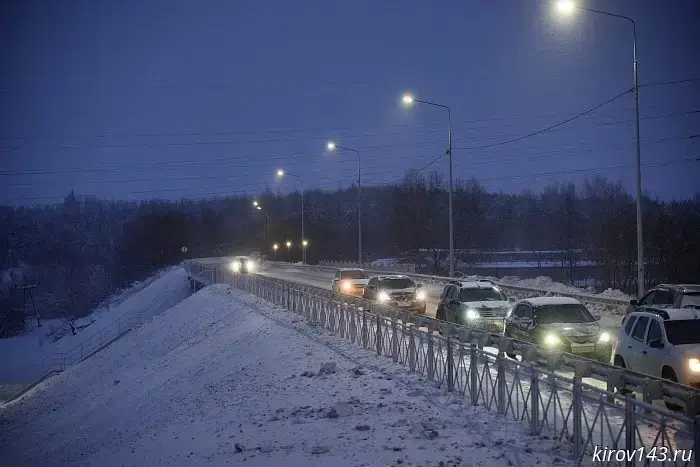 Соколов: в год 70-летия Кирово-Чепецк обзавёлся новым путепроводом.
Соколов: в год 70-летия Кирово-Чепецк обзавёлся новым путепроводом.
Соколов: в год 70-летия Кирово-Чепецк обзавёлся новым путепроводом.
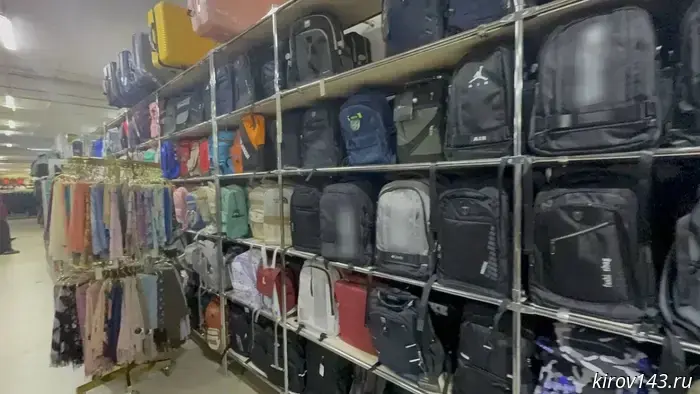 Counterfeit clothing worth 10 million seized in Kirov.
Police and the National Guard halted the activities of two women who were selling unlabeled clothing and footwear bearing the logos of well-known brands through a chain of stores. Nearly 5,000 items of merchandise were seized.
Counterfeit clothing worth 10 million seized in Kirov.
Police and the National Guard halted the activities of two women who were selling unlabeled clothing and footwear bearing the logos of well-known brands through a chain of stores. Nearly 5,000 items of merchandise were seized.
 «ЭнергосбыТ Плюс» предлагает компаниям выгодным образом расплатиться с долгами и аннулировать накопившиеся штрафы.
«ЭнергосбыТ Плюс» предлагает компаниям выгодным образом расплатиться с долгами и аннулировать накопившиеся штрафы.
«ЭнергосбыТ Плюс» предлагает компаниям выгодным образом расплатиться с долгами и аннулировать накопившиеся штрафы.
 The car brands with the largest increases in spare parts prices have been named.
The Russian Association of Motor Insurers published a ranking of car brands whose spare parts saw the largest price increases in 2025.
The car brands with the largest increases in spare parts prices have been named.
The Russian Association of Motor Insurers published a ranking of car brands whose spare parts saw the largest price increases in 2025.
 Жительница хутора Фалёнки разместила свое резюме в интернете и попалась на уловки мошенников.
Жительница поселка Фалёнки опубликовала резюме в Интернете, выражая готовность работать менеджером маркетплейсов. Женщина 39 лет получила сообщение от незнакомки в мессенджере Telegram, которая предложила ей должность модератора чата в большом онлайн-магазине, сообщили в региональной полиции. На это предложение гражданка...
Жительница хутора Фалёнки разместила свое резюме в интернете и попалась на уловки мошенников.
Жительница поселка Фалёнки опубликовала резюме в Интернете, выражая готовность работать менеджером маркетплейсов. Женщина 39 лет получила сообщение от незнакомки в мессенджере Telegram, которая предложила ей должность модератора чата в большом онлайн-магазине, сообщили в региональной полиции. На это предложение гражданка...
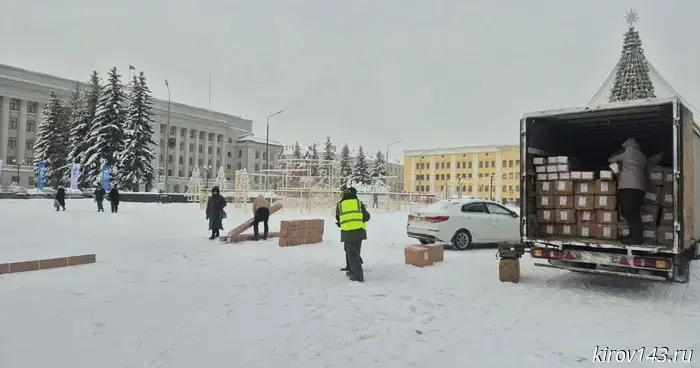 Вячеслав Симаков: их намерены установить на Театральной площади к 26 декабря.
Вячеслав Симаков: их намерены установить на Театральной площади к 26 декабря.
Вячеслав Симаков: их намерены установить на Театральной площади к 26 декабря.
Growth is not for everyone: the wage gap in the labor market will continue to widen in 2026.
In 2026, wage growth in Russia will continue but become selective: incomes will rise primarily for narrowly specialized, highly skilled professionals, while growth will slow for most occupations.