
In Russia, they will start counting Pallas's cats.
The company "Mars" and the interregional association "Irbis" have agreed to continue the program for studying and preserving the Pallas's cat in Russia. The agreement on the second phase of the project was signed at the Eastern Economic Forum.
The first phase of the program started in 2025. This year, 190 camera traps were set up in Tuva, Buryatia, Altai, Zabaykalsky Krai, and Krasnoyarsk Krai. The cameras are expected to help scientists obtain more accurate data on the population of Pallas's cats in Russia for the first time in a long time.
The Pallas's cat is one of the most elusive and least studied members of the cat family. Accurate information about the size of its population in the country is still lacking: systematic monitoring of the species has not been conducted for over ten years.
At the same time, these rare cats are threatened by human activities. Pallas's cats may be hunted for their fur, and they also fall into snares and traps intended for marmots and hares. Additionally, they can die from poisoning during rodent extermination activities.
Camera traps allow for monitoring animals without direct interference in their lives. Currently, the cameras are operating in five protected areas: the Sayano-Shushensky and Daursky nature reserves, the Ubsunur Hollow reserve, as well as the Saylyugemsky and Tunka national parks.
The equipment is installed on special poles with markers. This is necessary to protect the cameras from accidental damage by livestock grazed by local residents.
In the second phase, the network of camera traps is planned to be expanded. The data collected will be used by scientists to assess the population of Pallas's cats, study their movements, and prepare recommendations for species conservation. The scientific expertise of the program is conducted by specialists from the A.N. Severtsov Institute of Ecology and Evolution of the Russian Academy of Sciences.
In addition, the organizers intend to collaborate with colleagues from Kazakhstan, Mongolia, and China. Specialists will exchange experiences and discuss methods for studying and protecting Pallas's cats.
Particular attention will be paid to working with local residents. The organizers hope that educational activities will help find additional ways to combat poaching and make the habitats of Pallas's cats safer.
Другие Новости Кирова (НЗК)
 Троллейбус №7 с сентября начнет работать в обычном режиме.
Как сообщили в мэрии, с 1 сентября троллейбусный маршрут №7 вновь будет функционировать в обычном режиме и возобновит движение по улице Красноармейской. Ранее маршрут изменили из-за ремонта теплотрассы на отрезке от улицы Свободы до Ленина. В настоящее время дорожное покрытие полностью
Троллейбус №7 с сентября начнет работать в обычном режиме.
Как сообщили в мэрии, с 1 сентября троллейбусный маршрут №7 вновь будет функционировать в обычном режиме и возобновит движение по улице Красноармейской. Ранее маршрут изменили из-за ремонта теплотрассы на отрезке от улицы Свободы до Ленина. В настоящее время дорожное покрытие полностью
 Кировчан уведомили о новом мошенническом методе с поддельными покупателями на «Авито».
Кировчанам сообщили о новой схеме с мошенниками-купцами на «Авито».
Кировчан уведомили о новом мошенническом методе с поддельными покупателями на «Авито».
Кировчанам сообщили о новой схеме с мошенниками-купцами на «Авито».
 В правительстве Кировской области состоялось очередное еженедельное совещание.
Основная тема сегодняшней повестки дня — подготовка к Дню знаний. На еженедельном совещании губернатор Александр Соколов обсудил открытие школ, результаты поездки в Кирово-Чепецк и ухудшающуюся ситуацию с бензином на заправках области. Первого сентября за парты в Кировской области сядут свыше 11 тысяч учеников.
В правительстве Кировской области состоялось очередное еженедельное совещание.
Основная тема сегодняшней повестки дня — подготовка к Дню знаний. На еженедельном совещании губернатор Александр Соколов обсудил открытие школ, результаты поездки в Кирово-Чепецк и ухудшающуюся ситуацию с бензином на заправках области. Первого сентября за парты в Кировской области сядут свыше 11 тысяч учеников.
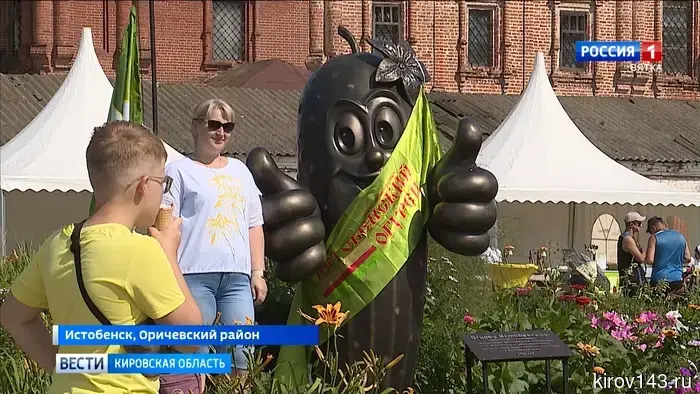 С 2027 года фестиваль «Истобенский огурец» будет проводиться в течение двух дней.
В Оричевском муниципальном округе 29 августа в селе Истобенск состоялся XXX Межрегиональный фестиваль «Истобенский огурец», как сообщили в областном правительстве. Мероприятие собрало тысячи туристов из различных регионов России. По завершении официальной части оргкомитет и приглашенные гости согласовали стратегию.
С 2027 года фестиваль «Истобенский огурец» будет проводиться в течение двух дней.
В Оричевском муниципальном округе 29 августа в селе Истобенск состоялся XXX Межрегиональный фестиваль «Истобенский огурец», как сообщили в областном правительстве. Мероприятие собрало тысячи туристов из различных регионов России. По завершении официальной части оргкомитет и приглашенные гости согласовали стратегию.
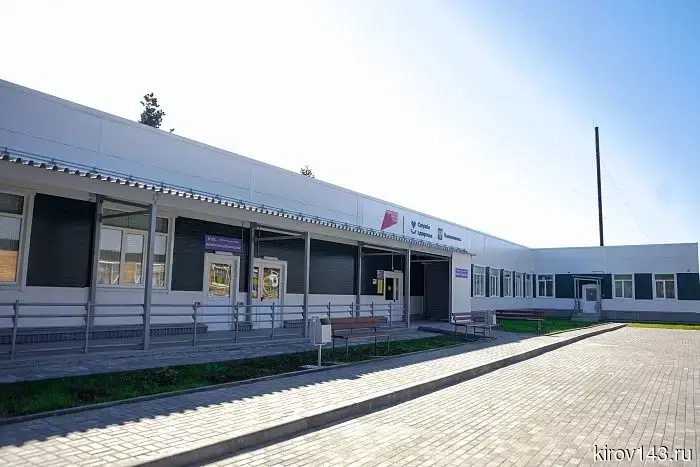 В Свече намечено строительство детского городка на территории медицинского учреждения.
Губернатор Кировской области Александр Соколов в ходе своей рабочей поездки в Свечинский округ оценил готовность новой поликлиники, предназначенной для приема взрослых и детей. Как сообщили в областном правительстве, здание будет введено в эксплуатацию в сентябре 2026 года. Оно оборудовано современными технологиями. Также
В Свече намечено строительство детского городка на территории медицинского учреждения.
Губернатор Кировской области Александр Соколов в ходе своей рабочей поездки в Свечинский округ оценил готовность новой поликлиники, предназначенной для приема взрослых и детей. Как сообщили в областном правительстве, здание будет введено в эксплуатацию в сентябре 2026 года. Оно оборудовано современными технологиями. Также
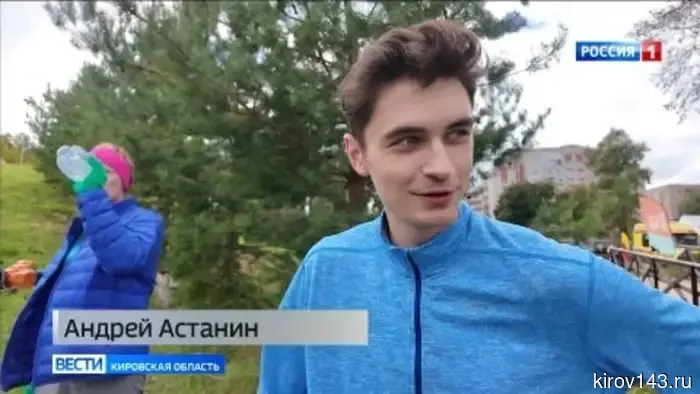 Кировчане стали участниками забега «Царь-горы».
Один из склонов Филейки стал ареной для настоящего спортивного достижения. Кировчане участвовали в забеге "Царь-горы", где им приходилось, буквально, подниматься на высоту метр за метром. Финиш каждого участника стал его маленькой победой. Роман Четвериков продолжит рассказ.
Кировчане стали участниками забега «Царь-горы».
Один из склонов Филейки стал ареной для настоящего спортивного достижения. Кировчане участвовали в забеге "Царь-горы", где им приходилось, буквально, подниматься на высоту метр за метром. Финиш каждого участника стал его маленькой победой. Роман Четвериков продолжит рассказ.
In Russia, they will start counting Pallas's cats.
In five regions, 190 camera traps have already been installed to help scientists assess the population of the rare predator.