

It doesn't smell, chewing — doesn't mean healthy: three myths about pet teeth
Most pets over three years old have dental problems. However, many owners do not notice them due to common myths. Veterinarians have listed the main ones.
The first myth: dry food cleans teeth. In reality, the pellets only slightly rub the surface, but plaque accumulates along the gums and beneath them, where the food does not reach. Most pets simply chew or swallow the food without getting proper cleaning.
The second myth: bad breath is normal. This is not true. A persistent odor often signals tartar, gum inflammation, or bacterial growth in the mouth.
The third and most dangerous myth: if the pet is eating, then the teeth do not hurt. Dogs and cats can hide pain. Even with inflammation or a painful tooth, they may continue to eat and play. Indirect signs may indicate problems: the animal chews only on one side, takes longer to eat, chooses soft food, or does not allow touching its face.
Oral diseases in animals can lead to chronic pain, tooth loss, and even affect the heart and kidney function. Prevention is easier and cheaper than treatment, veterinarians note.
Другие Новости Кирова (НЗК)
 К юбилею Аполлинария Васнецова постоянная экспозиция Вятского художественного музея была обновлена четырьмя его работами.
6 августа 2026 года исполнится 170 лет со дня рождения известного русского художника, педагога, литературного деятеля и ученого Аполлинария Михайловича Васнецова (1856, село Рябово Вятского уезда Вятской губернии – 1933, Москва). Братья Васнецовы стали основателями художественного музея в 1910 году в
К юбилею Аполлинария Васнецова постоянная экспозиция Вятского художественного музея была обновлена четырьмя его работами.
6 августа 2026 года исполнится 170 лет со дня рождения известного русского художника, педагога, литературного деятеля и ученого Аполлинария Михайловича Васнецова (1856, село Рябово Вятского уезда Вятской губернии – 1933, Москва). Братья Васнецовы стали основателями художественного музея в 1910 году в
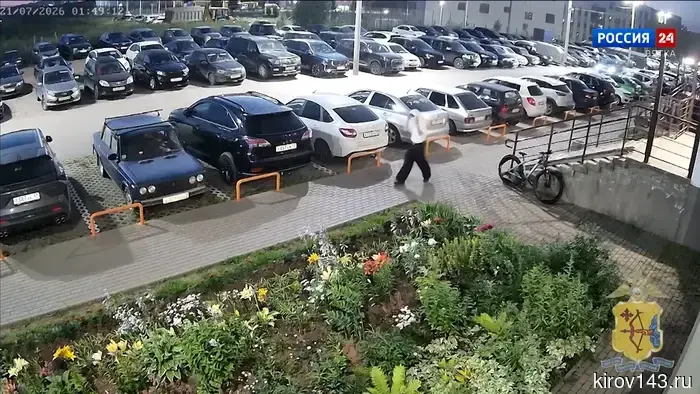 В Кирове сотрудники полиции арестовали двоих молодых людей, которые подозреваются в краже автомобиля.
В Кирове были задержаны два юноши, подозреваемые в краже автомобиля. Вечером местная жительница припарковала свой ВАЗ у дома на улице Потребкооперации. Утром она нашла машину в другом месте с механическими повреждениями. Угонщиком оказался 17-летний студент, имеющий судимость, который проживает.
В Кирове сотрудники полиции арестовали двоих молодых людей, которые подозреваются в краже автомобиля.
В Кирове были задержаны два юноши, подозреваемые в краже автомобиля. Вечером местная жительница припарковала свой ВАЗ у дома на улице Потребкооперации. Утром она нашла машину в другом месте с механическими повреждениями. Угонщиком оказался 17-летний студент, имеющий судимость, который проживает.
 В Кировской области будут увеличены налоговые льготы для семей участников СВО.
Сегодня в Законодательном Собрании Кировской области на первом чтении были одобрены поправки к закону, касающемуся деятельности предпринимателей, использующих упрощённую систему налогообложения. Предусматривается расширение поддержки на членов семей участников специальной военной операции. В настоящее время для
В Кировской области будут увеличены налоговые льготы для семей участников СВО.
Сегодня в Законодательном Собрании Кировской области на первом чтении были одобрены поправки к закону, касающемуся деятельности предпринимателей, использующих упрощённую систему налогообложения. Предусматривается расширение поддержки на членов семей участников специальной военной операции. В настоящее время для
 В Кирове провели проверку неразрешенных для купания зон.
В Ленинском районе Кирова состоялся межведомственный рейд по несанкционированным зонам отдыха у водоемов в деревне Русское и поселке Дороничи. Жителям Кирова напомнили о рисках купания в местах, не подготовленных для этого, провели информационные беседы, уделяя особое внимание несовершеннолетним.
В Кирове провели проверку неразрешенных для купания зон.
В Ленинском районе Кирова состоялся межведомственный рейд по несанкционированным зонам отдыха у водоемов в деревне Русское и поселке Дороничи. Жителям Кирова напомнили о рисках купания в местах, не подготовленных для этого, провели информационные беседы, уделяя особое внимание несовершеннолетним.
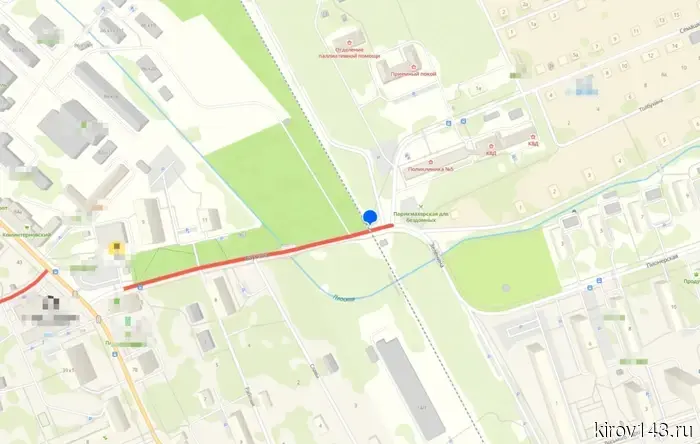 В Кирове на улице Семашко железнодорожный переезд будет закрыт на ночь.
На железнодорожном переезде в Коминтерне, находящемся на улице Семашко, намечен капитальный ремонт стрелочного перевода. Поэтому проезд через железную дорогу будет закрыт с 22:00 23 июля до 6:00 24 июля. Водителей просят учитывать эту информацию и выбирать другие маршруты.
В Кирове на улице Семашко железнодорожный переезд будет закрыт на ночь.
На железнодорожном переезде в Коминтерне, находящемся на улице Семашко, намечен капитальный ремонт стрелочного перевода. Поэтому проезд через железную дорогу будет закрыт с 22:00 23 июля до 6:00 24 июля. Водителей просят учитывать эту информацию и выбирать другие маршруты.
 В Кировской области было учреждено новое почетное звание.
В регионе введено 24-е почетное звание — «Заслуженный работник сферы молодежной политики Кировской области». Инициативу Молодежного парламента сегодня одобрили депутаты областного Законодательного собрания. Это звание будет присуждаться высококвалифицированным специалистам, работающим с молодежью и
В Кировской области было учреждено новое почетное звание.
В регионе введено 24-е почетное звание — «Заслуженный работник сферы молодежной политики Кировской области». Инициативу Молодежного парламента сегодня одобрили депутаты областного Законодательного собрания. Это звание будет присуждаться высококвалифицированным специалистам, работающим с молодежью и
It doesn't smell, chewing — doesn't mean healthy: three myths about pet teeth
Dental problems are common in most cats and dogs over the age of three. Specialists at the "Together with a Loyal Friend" clinic have identified common misconceptions among owners that prevent timely detection of the disease.