

What is melioidosis and is it dangerous for Russians?
Melioidosis is a rare infectious disease caused by the bacterium Burkholderia pseudomallei. The infection is most commonly found in countries with a tropical climate—Southeast Asia and northern Australia. Infection can occur through contact with contaminated soil or water if the bacteria enter the body through skin injuries. Less commonly, infection occurs through inhalation of aerosol—such as during heavy tropical rains. According to Dr. Murad Shahmardanov, a doctor of medical sciences and professor at the Department of Infectious Diseases and Epidemiology at the Pirogov University Clinical Medicine Institute, the disease is primarily dangerous due to its unpredictable course. "The danger of melioidosis lies in the fact that the disease can manifest very differently—from a localized skin infection to severe sepsis affecting the lungs, liver, spleen, central nervous system, and other organs," explains the expert. The highest risk of severe progression is noted in people with diabetes, chronic kidney and lung diseases, immunodeficiency conditions, as well as in patients who abuse alcohol. How does the disease manifest? Symptoms depend on the form of the infection. Most commonly, patients experience: high fever; pronounced weakness; cough; chest pain; abscesses in various organs and tissues. In severe cases, the infection can quickly progress to a generalized form with the development of sepsis—a condition that poses a serious threat to life without timely treatment. An additional complication is that the symptoms of melioidosis are nonspecific. "The clinical picture may resemble pneumonia, tuberculosis, or other bacterial infections, which sometimes complicates early diagnosis," notes the specialist. Is melioidosis treatable? Yes, the disease is treatable; however, therapy is usually lengthy and requires serious medical supervision. Treatment occurs in two stages: first, the patient receives intravenous antibiotics in a hospital, followed by a long course of antibacterial therapy to prevent relapse. According to the doctor, with timely diagnosis, the likelihood of a favorable outcome significantly increases. Is there a risk of spreading the infection in Russia? According to specialists, the risk is extremely low. Transmission of melioidosis from person to person occurs very rarely. The main route of infection is related to contact with contaminated soil or water in endemic regions. "The detection of an imported case does not mean the emergence of a new infectious risk for the population," emphasizes Murad Shahmardanov. Specific natural-climatic conditions characteristic of tropical climates are needed for the sustainable spread of the pathogen. To date, there is no data on the existence of natural foci of Burkholderia pseudomallei in Russia. Therefore, as specialists note, there are no grounds for additional concern among the population. Imported cases of such infections serve more as a reminder to doctors that even rare tropical diseases should be considered when diagnosing patients who have recently returned from endemic countries.
Другие Новости Кирова (НЗК)
 Sagittarians will be able to influence important decisions, while Pisces will need help with the flow of information.
How June 28 will go for all zodiac signs is explained in our new astrological forecast.
Sagittarians will be able to influence important decisions, while Pisces will need help with the flow of information.
How June 28 will go for all zodiac signs is explained in our new astrological forecast.
 Kirov residents have given scammers more than 732 million rubles since the beginning of the year.
Since the beginning of 2026, 1,876 people have fallen victim to remote scammers in the Kirov region.
Kirov residents have given scammers more than 732 million rubles since the beginning of the year.
Since the beginning of 2026, 1,876 people have fallen victim to remote scammers in the Kirov region.
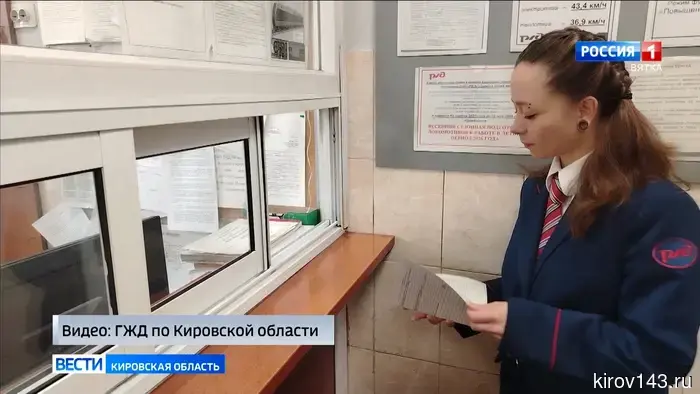 Кировчанка Ирина Милосердова стала первой женщиной в стране, которая стала машинистом грузового локомотива.
Кировчанка привлекла к себе внимание всей страны. Ирина Милосердова стала первой женщиной, занявшей должность машиниста грузового локомотива. Что стало причиной такого необычного выбор профессии? Подробности расскажет Анастасия Елсукова. Она испробовала себя в различных областях, но в конечном итоге решила связать свою жизнь с одной из самых трудных и ответственных профессий.
Кировчанка Ирина Милосердова стала первой женщиной в стране, которая стала машинистом грузового локомотива.
Кировчанка привлекла к себе внимание всей страны. Ирина Милосердова стала первой женщиной, занявшей должность машиниста грузового локомотива. Что стало причиной такого необычного выбор профессии? Подробности расскажет Анастасия Елсукова. Она испробовала себя в различных областях, но в конечном итоге решила связать свою жизнь с одной из самых трудных и ответственных профессий.
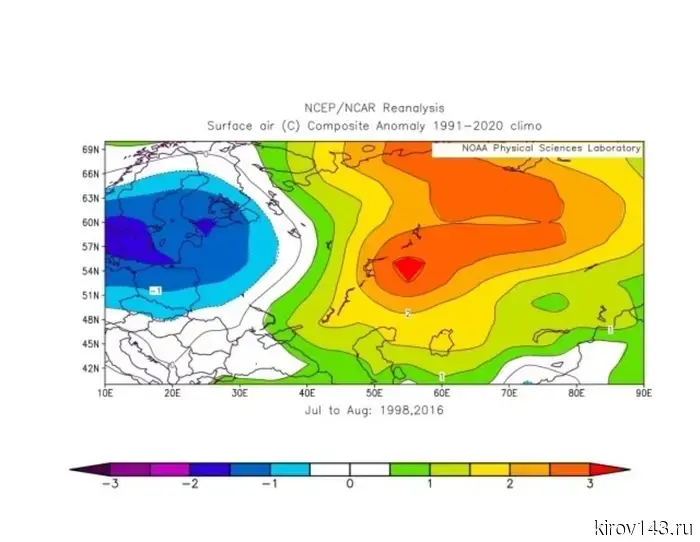 Forecasters: the summer of 2027 in the Kirov region may be hot and dry
In the Kirov region, they are discussing the forecast for the summer of 2027.
Forecasters: the summer of 2027 in the Kirov region may be hot and dry
In the Kirov region, they are discussing the forecast for the summer of 2027.
 В Кирове прокуратура выступает в защиту интересов 4-летнего мальчика, который пострадал в результате столкновения с мопедом.
Водитель, нарушая все правила, с высокой скоростью ехал по тротуару и сбил маленького пешехода. Подробности были озвучены в пресс-службе прокуратуры. ДЕНИС СУХОМЛИН, СТАРШИЙ ПОМОЩНИК ПРОКУРОРА КИРОВСКОЙ ОБЛАСТИ ПО ВЗАИМОДЕЙСТВИЮ СО СМИ И ОБЩЕСТВЕННОСТЬЮ: «Прокуратура подала иск в суд в
В Кирове прокуратура выступает в защиту интересов 4-летнего мальчика, который пострадал в результате столкновения с мопедом.
Водитель, нарушая все правила, с высокой скоростью ехал по тротуару и сбил маленького пешехода. Подробности были озвучены в пресс-службе прокуратуры. ДЕНИС СУХОМЛИН, СТАРШИЙ ПОМОЩНИК ПРОКУРОРА КИРОВСКОЙ ОБЛАСТИ ПО ВЗАИМОДЕЙСТВИЮ СО СМИ И ОБЩЕСТВЕННОСТЬЮ: «Прокуратура подала иск в суд в
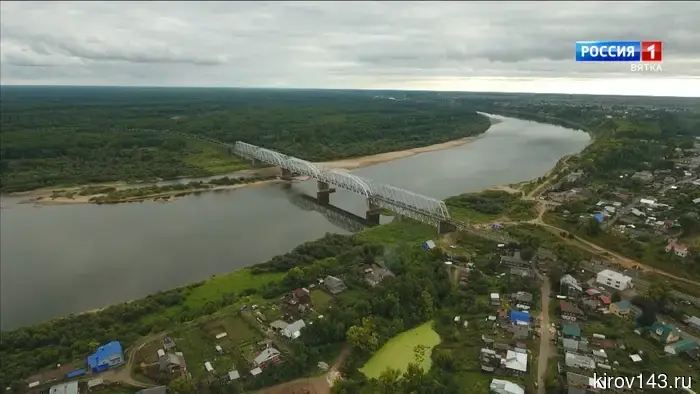 Летний период — это время для путешествий: Котельнич
Хотя до полноценного отпуска еще предстоит подождать месяц-другой, можно организовать краткие поездки в новые места! Сегодня мы приглашаем вас посетить старинный город Кировской области, который продолжает притягивать туристов со всего мира — город Котельнич. Он находится в 84 км к юго-западу.
Летний период — это время для путешествий: Котельнич
Хотя до полноценного отпуска еще предстоит подождать месяц-другой, можно организовать краткие поездки в новые места! Сегодня мы приглашаем вас посетить старинный город Кировской области, который продолжает притягивать туристов со всего мира — город Котельнич. Он находится в 84 км к юго-западу.
What is melioidosis and is it dangerous for Russians?
After reports of the detection of an imported case of melioidosis in Russia, many had a logical question: what kind of disease is this and should we be worried?