

The dangerous experiment "Square-S" could end in a criminal case?
The Arbitration Court of the Kirov Region confirmed on June 10, 2026, the legality of the Rospotrebnadzor's order regarding LLC "Kvadart-S". The company's products — dietary supplements "Venoprim" and "Venoprim Forte" — were found to be non-compliant with the technical regulations of the Customs Union. The mixture of diosmin and hesperidin (9:1), which the manufacturer claimed was food raw material, is actually a pharmaceutical substance registered as a medicinal product. The court's decision has not yet entered into legal force, and the company may appeal it. However, it is already possible to talk not only about the legal side of the matter but also about systemic risks — for the health of consumers and for the business itself, "Kvadart-S".
Why the same substances are considered medicine and not dietary supplements. Diosmin and hesperidin, in the correct dosages, have long been successfully used in medicine for chronic venous insufficiency, hemorrhoids, and other pathologies. Dozens of drugs containing these active substances are listed in the state register of medicinal products. Clinical studies of the combination of diosmin and hesperidin have confirmed its effectiveness: after 8 weeks of treatment, patients with venous insufficiency experienced significant reductions in discomfort in the legs, heaviness, pain, and the sensation of swelling. However, to bring a drug to market, the manufacturer must undergo a complete cycle of clinical trials: prove safety, efficacy, identify dosages and possible side effects, and establish a pharmacovigilance system. The requirements for state registration of dietary supplements are significantly lower, and production and circulation are not subject to licensing.
This is where the main danger for consumers lies. The same substance released as a medicine has undergone checks for purity, stability, and bioequivalence. The manufacturer monitors side effects, and the instructions warn of possible reactions. There are none of these requirements for dietary supplements.
What makes "Kvadart-S" products genuinely dangerous. Clinical practice has recorded cases of serious side effects from taking diosmin and hesperidin: diarrhea, dyspepsia, nausea, dizziness, headaches, and skin allergic reactions. In 2024, an international medical journal described a case of a rare but severe complication — DRESS syndrome (drug reaction with eosinophilia and systemic symptoms) in a 48-year-old patient after taking diosmin and hesperidin. This is a potentially life-threatening condition that, without timely assistance, can lead to multiple organ failure. Additionally, diosmin and hesperidin may affect the central nervous system, so caution is advised when driving or operating machinery while taking them. All this is information that a dietary supplement consumer, who purchased the supplement on a marketplace, may simply not receive. And to which the dietary supplement manufacturer is not obliged to take seriously.
The packaging of "Venoprim" and "Venoprim Forte" stated: "contribute to the normalization of peripheral blood circulation; normalization of the functional state of veins; increase in vascular tone; improvement of microcirculation." Rospotrebnadzor pointed out that the listed effects are characteristic of medicinal products that have undergone clinical trials with proven efficacy. The information on the dietary supplement packaging essentially indicates a positive result from taking it, which may be perceived by consumers as a therapeutic effect.
Why did the company take this risk? The answer lies in the realm of economics and marketing. According to data from open sources, in 2025, LLC "Kvadart-S" achieved a revenue of 4.5 billion rubles, an increase of 17.2% compared to 2024 (3.9 billion). Net profit rose from 645 to 678 million rubles (+5.1%). The company's financial stability is assessed as high. Bringing a new drug to market requires years of work and tens of millions of rubles in expenses. Dietary supplements can be launched for sale in just a few months and with minimal investment. Moreover, the advertising of dietary supplements is subject to softer restrictions than that of prescription drugs. The phrases "contributes to normalization" have long been in a gray area, allowing the promotion of the product without strict warnings about side effects. Essentially, the company likely consciously chose a path that allows selling a potent substance without proof of safety in this specific form of release and without monitoring possible side effects, reaping super profits.
What awaits "Kvadart-S" in a negative scenario. If the court's decision comes into force and higher authorities confirm Rospotrebnadzor's position, the company may face systemic consequences.
Legal risks. Fines for violating the technical regulations of the Customs Union for legal entities can reach 300,000 rubles. However, this is the minimal threat. Much more serious is the possible initiation of a criminal case under Article 238.1 of the Criminal Code of the Russian Federation (circulation of falsified dietary supplements). The turnover of dietary supplements containing undeclared pharmaceutical substances in large amounts (over 100,000 rubles) threatens forced labor or imprisonment for a term of 3 to 5 years with a fine. Given the scale of "Kvadart-S"'s activities, the amount may be recognized as particularly large, which entails even stricter punishment. Additionally, if harm to consumers' health is proven, collective lawsuits for compensation for moral and material damages may arise.
Economic and operational consequences. The court may decide to suspend the company's activities for up to 90 days. This means a complete halt to production and, consequently, a cessation of income from the main products. Rospotrebnadzor has the right to issue an order for the withdrawal from circulation and destruction of all disputed batches of dietary supplements. Losses from the destruction of products may amount to tens of millions of rubles. The tax inspectorate may suspend operations on the company's accounts, paralyzing financial activities — from payments to suppliers to payroll.
Reputational and market risks. Major marketplaces, fearing claims from supervisory authorities, may unilaterally refuse to sell "Kvadart-S" products. The story with "Venoprim" creates a negative background around the entire group of companies. Partners, investors, and banks may reconsider the terms of cooperation, which will impact other brands within "Kvadart-S".
What’s next. The first-instance court's decision has not yet entered into legal force, and "Kvadart-S" has already announced its intention to appeal. The company continues to insist that the mixture of diosmin and hesperidin is food raw material, not a pharmaceutical substance. However, even if the company manages to achieve a review, a precedent has been set. Regulators are increasingly monitoring the dietary supplement market, and technical regulations are tightening. The new requirements, discussed since 2023, directly propose banning the use of synthetic medicines, pharmaceutical substances, psychotropic, and potent substances in dietary supplements. For "Kvadart-S", this means that the familiar business model may be under threat. And for thousands of consumers who naively took "Venoprim" as a harmless supplement, it serves as a reminder: dietary supplements do not equal medicine. And attempts to pass one off as the other are not just a marketing ploy but a direct threat to health and grounds for serious legal liability.
Другие Новости Кирова (НЗК)
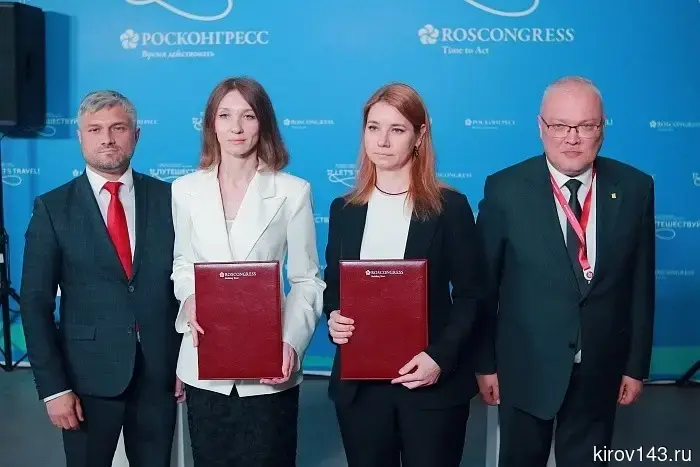 Кировская и Челябинская области объединяют свои туроператорские компании.
Туроператоры Кировской и Челябинской областей объединяются.
Кировская и Челябинская области объединяют свои туроператорские компании.
Туроператоры Кировской и Челябинской областей объединяются.
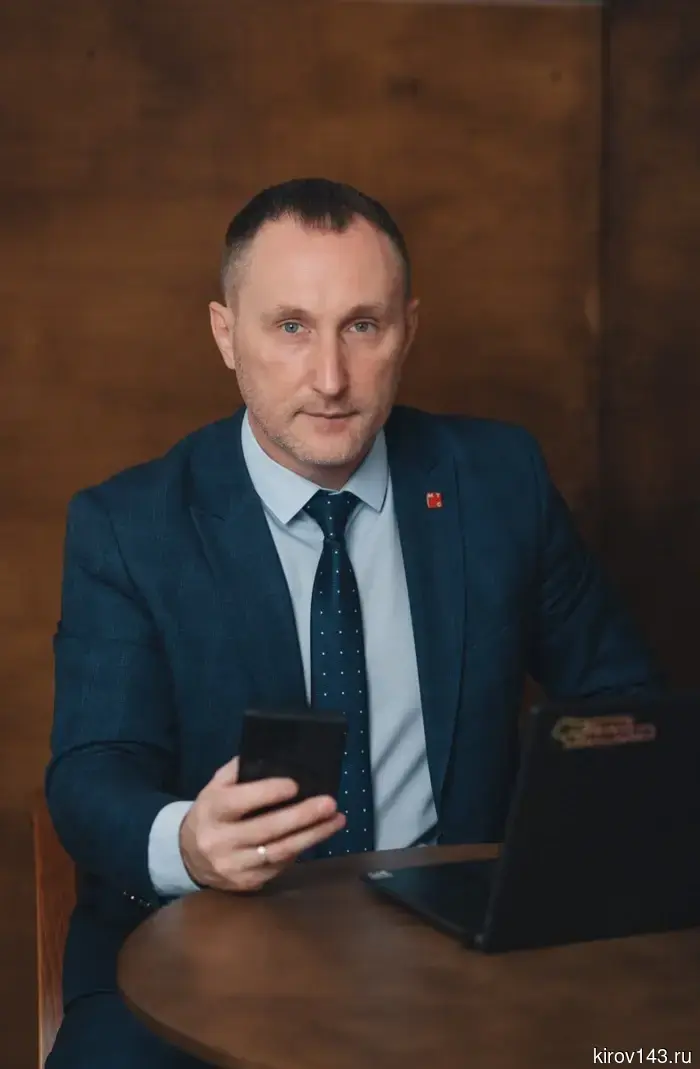 The head of the Kirov branch of MTS has changed.
The new director of the branch has been appointed Alexey Kozyin, who previously headed the company's division in the Smolensk region.
The head of the Kirov branch of MTS has changed.
The new director of the branch has been appointed Alexey Kozyin, who previously headed the company's division in the Smolensk region.
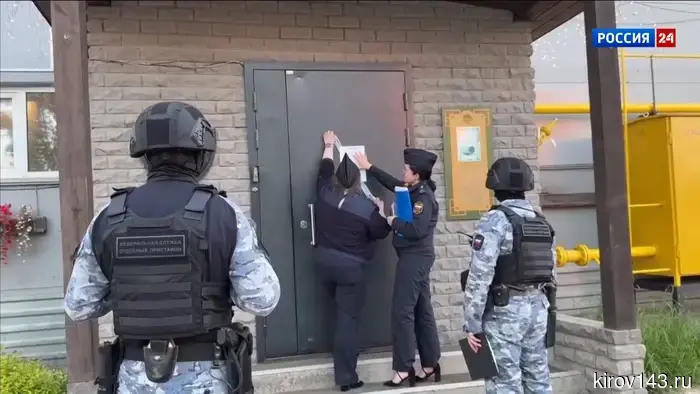 В Кирове судебные приставы выполнили решение суда о приостановлении деятельности банного комплекса.
В Кирове судебные приставы исполнили постановление суда о приостановке функционирования банного комплекса "Авалон". В данном учреждении были обнаружены нарушения норм пожарной безопасности. Владельцу комплекса был передан официальный запрос о немедленном прекращении работы объекта до.
В Кирове судебные приставы выполнили решение суда о приостановлении деятельности банного комплекса.
В Кирове судебные приставы исполнили постановление суда о приостановке функционирования банного комплекса "Авалон". В данном учреждении были обнаружены нарушения норм пожарной безопасности. Владельцу комплекса был передан официальный запрос о немедленном прекращении работы объекта до.
 В Кирове был задержан мужчина, который бросил зажигательный пакет перед автомобилем.
В Кирове стражи порядка арестовали мужчину, который поджег пакет и бросил его перед автомобилем, тем самым вызвав пожар. Данный случай имел место на улице Зеленина. В отношении происшествия возбуждено уголовное дело. Подробности были прокомментированы в пресс-службе областного управления МВД. СЕРГЕЙ БАРАНЦЕВ, ГЛАВНЫЙ СПЕЦИАЛИСТ ПРЕСС-СЛУЖБЫ УМВД РОССИИ.
В Кирове был задержан мужчина, который бросил зажигательный пакет перед автомобилем.
В Кирове стражи порядка арестовали мужчину, который поджег пакет и бросил его перед автомобилем, тем самым вызвав пожар. Данный случай имел место на улице Зеленина. В отношении происшествия возбуждено уголовное дело. Подробности были прокомментированы в пресс-службе областного управления МВД. СЕРГЕЙ БАРАНЦЕВ, ГЛАВНЫЙ СПЕЦИАЛИСТ ПРЕСС-СЛУЖБЫ УМВД РОССИИ.
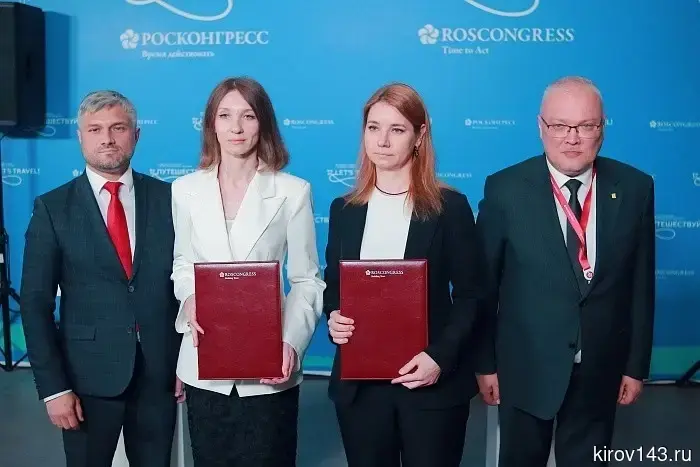 Туроператоры Кировской и Челябинской областей объединяются.
Туроператоры Кировской и Челябинской областей объединяются.
Туроператоры Кировской и Челябинской областей объединяются.
 The dangerous experiment "Square-C" could end in a criminal case?
A new scandal involving a pharmaceutical company from the Omutninsky district may affect the entire Russian dietary supplement market.
The dangerous experiment "Square-C" could end in a criminal case?
A new scandal involving a pharmaceutical company from the Omutninsky district may affect the entire Russian dietary supplement market.
The dangerous experiment "Square-S" could end in a criminal case?
A new scandal involving a pharmaceutical company from the Omutninsky district may affect the entire Russian dietary supplement market.