
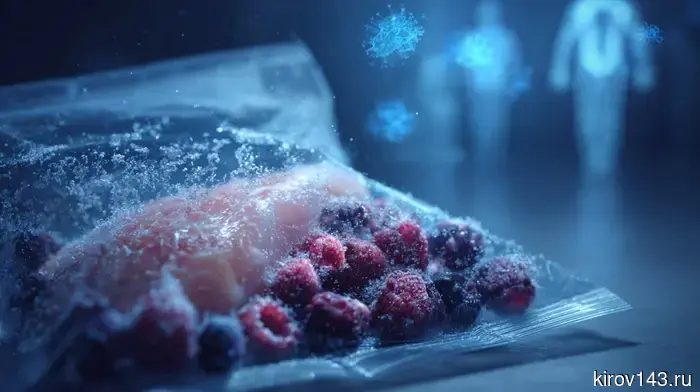
Ordinary freezing bags turned out to be a source of microplastics in the blood and brain.
Plastic bags are popular in the freezer for three reasons: space-saving, versatility, and low cost. However, as explained by an expert, there are three groups of risks associated with such storage: physical, culinary, and chemical.
Physical and culinary risks are related to the quality of storage. Regular bags become brittle when cooled—food can crumble and absorb odors. Moisture evaporates through microscopic pores, the product dehydrates, and loses flavor. In regular bags, this happens within two weeks, while in special bags, it can last up to six months.
But the key risk is chemical. Studies show that chemical migration from packaging to food occurs even at low temperatures. Plastic in the cold is not a completely inert substance. The longer the storage, the more plastic can transfer to the product. This is how regular freezing bags become a direct source of microplastics in food.
And then this microplastic enters the human body. Scientists have proven that it accumulates in the body. Over a lifetime, the body can accumulate up to 20 grams of plastic. Particles are found not only in the intestines but also in the blood and the brain.
At the same time, there is currently no direct evidence of harm to humans. Most data have been obtained in laboratories on cell cultures or in experiments on animals. For example, studies on mice have shown that microplastic can disrupt blood sugar regulation. Other experiments on tissues have shown that particles from PET bottles (a similar mechanism) can cause cellular stress and contribute to fat accumulation, which is linked to the risk of obesity and diabetes.
Representatives of the WHO and practicing doctors urge not to panic—there is currently no definitive evidence that microplastic causes specific diseases in humans. However, recommendations to reduce its consumption are already being voiced.
In addition to frozen products in bags, the largest amount of plastic is found in:
- tea in bags,
- drinks in plastic bottles,
- seafood (mussels, squid, shrimp).
To reduce risks, experts recommend:
- Brewing loose leaf tea.
- Drinking filtered water or buying it in glass containers.
- Choosing seafood from northern seas, where plastic content is minimal.
And the main conclusion regarding the freezer: for safe storage, it is necessary to use special polyethylene bags with labeling (a star). It is recommended to store products for no more than six months. For long-term storage, it is better to use special glass containers—then there will be no migration of plastic into food at all.
Другие Новости Кирова (НЗК)
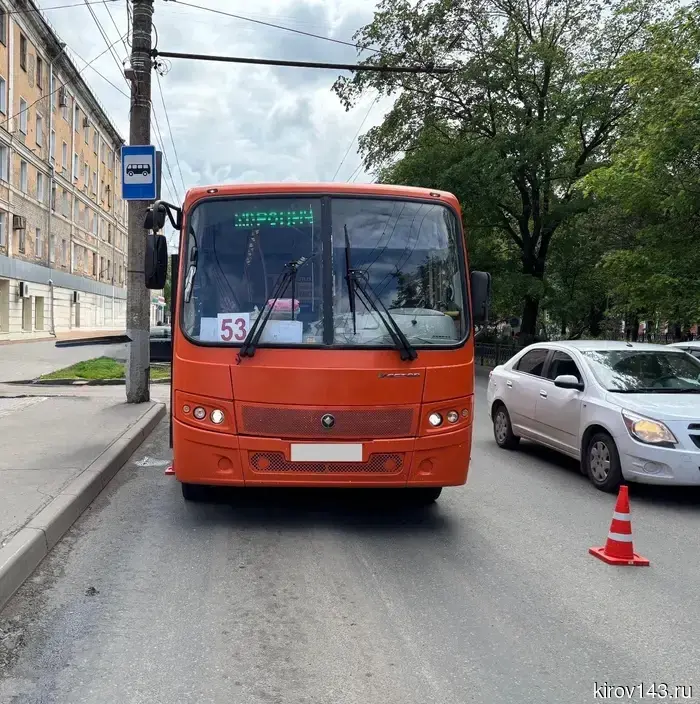 85-летняя пассажирка получила травмы во время поездки на автобусе в Кирове.
В четверг, 4 июня, в 12:15 на Октябрьском проспекте, в районе пересечения с улицей Маклина в городе Кирове, произошло ДТП с участием городского автобуса «ПАЗ». Согласно данным сотрудников ГИБДД Кировской области, во время резкого торможения упала 85-летняя женщина-пассажир. По предварительным
85-летняя пассажирка получила травмы во время поездки на автобусе в Кирове.
В четверг, 4 июня, в 12:15 на Октябрьском проспекте, в районе пересечения с улицей Маклина в городе Кирове, произошло ДТП с участием городского автобуса «ПАЗ». Согласно данным сотрудников ГИБДД Кировской области, во время резкого торможения упала 85-летняя женщина-пассажир. По предварительным
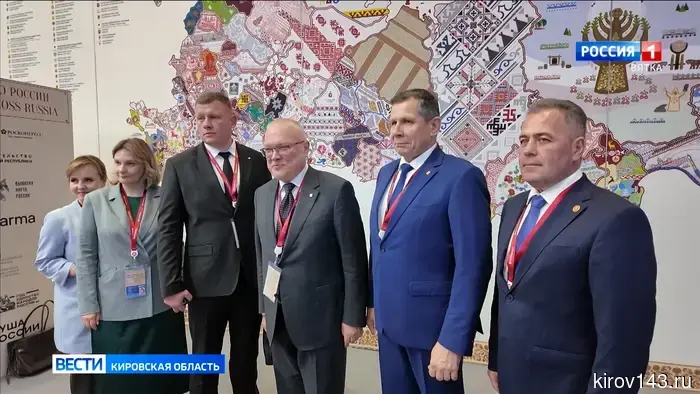 Съемочная команда ГТРК «Вятка» трудится на Петербургском международном экономическом форуме.
Делегация Кировской области, возглавляемая Александром Соколовым, сегодня продолжает свою работу на Петербургском Международном экономическом форуме. В программе делегации запланировано участие в основных сессиях форума, а также встречи и подписание соглашений. Петербургский международный экономический форум является одним из...
Съемочная команда ГТРК «Вятка» трудится на Петербургском международном экономическом форуме.
Делегация Кировской области, возглавляемая Александром Соколовым, сегодня продолжает свою работу на Петербургском Международном экономическом форуме. В программе делегации запланировано участие в основных сессиях форума, а также встречи и подписание соглашений. Петербургский международный экономический форум является одним из...
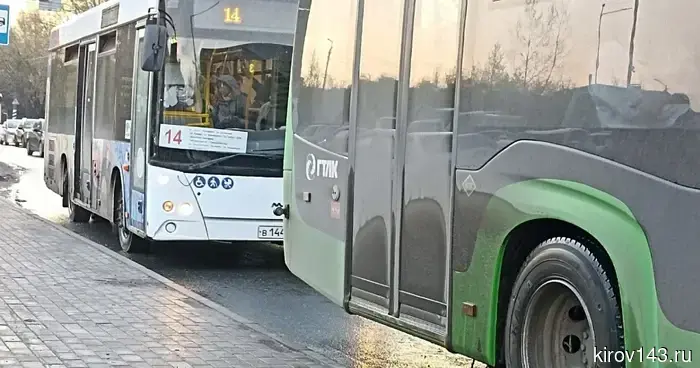 В Кирове временно изменятся маршруты ряда автобусов.
В Кирове на время изменят маршруты ряда автобусов.
В Кирове временно изменятся маршруты ряда автобусов.
В Кирове на время изменят маршруты ряда автобусов.
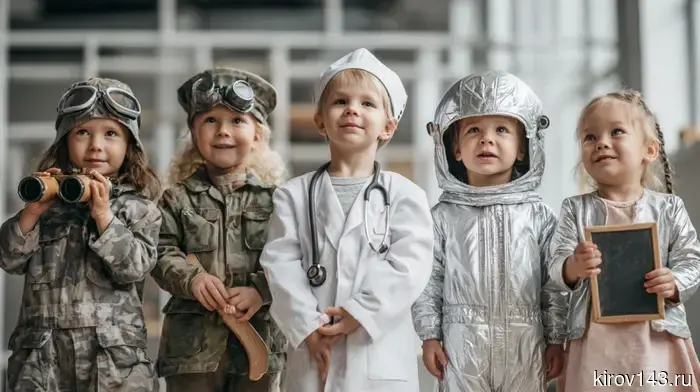 Space, scalpel, and epaulettes: what Russians dreamed of becoming in childhood
Military personnel, doctors, astronauts, and even presidents. A survey involved 1,600 economically active Russians from all regions of the country. It turned out which professions seemed to be the most cherished future in childhood — and how significantly the dreams differed between men and women.
Space, scalpel, and epaulettes: what Russians dreamed of becoming in childhood
Military personnel, doctors, astronauts, and even presidents. A survey involved 1,600 economically active Russians from all regions of the country. It turned out which professions seemed to be the most cherished future in childhood — and how significantly the dreams differed between men and women.
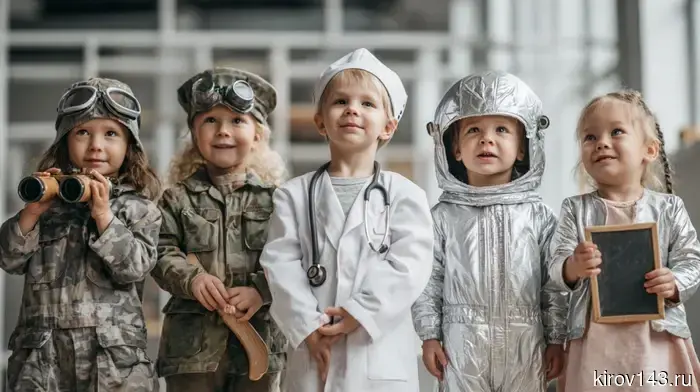 Space, scalpel, and epaulettes: who Russians dreamed of becoming in childhood
Military personnel, doctors, astronauts, and even presidents. The survey involved 1,600 economically active Russians from all regions of the country. It turned out which professions seemed to be the most cherished future in childhood — and how significantly the dreams differed between men and women.
Space, scalpel, and epaulettes: who Russians dreamed of becoming in childhood
Military personnel, doctors, astronauts, and even presidents. The survey involved 1,600 economically active Russians from all regions of the country. It turned out which professions seemed to be the most cherished future in childhood — and how significantly the dreams differed between men and women.
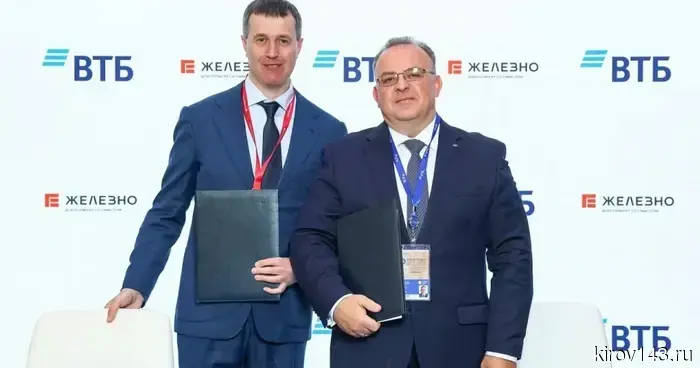 ВТБ выделит 3,6 млрд рублей на финансирование строительства первых жилых домов комплекса «Пятый элемент» в Перми.
ВТБ обеспечит финансирование строительства первых жилых домов комплекса «Пятый элемент» в Перми на сумму 3,6 миллиарда рублей.
ВТБ выделит 3,6 млрд рублей на финансирование строительства первых жилых домов комплекса «Пятый элемент» в Перми.
ВТБ обеспечит финансирование строительства первых жилых домов комплекса «Пятый элемент» в Перми на сумму 3,6 миллиарда рублей.
Ordinary freezing bags turned out to be a source of microplastics in the blood and brain.
Plastic bags in the freezer are convenient and cheap, but even at low temperatures, plastic does not remain inert. Denis Borozdenko, an assistant at the Department of Pharmacology at Pirogov University, explained how particles from the bag get into food and then into the body — all the way to the blood and brain.