
Graduates in the Kirov region have been warned about scammers.
According to the press service of the Ministry of Education of the Kirov Region, special attention to digital literacy issues is required from educational organizations, students, and their parents during the exam campaign. The reason is the increase in fraudulent activities, as stated in the agency's message.
Criminals, taking advantage of trust in government institutions, call and send messages on behalf of employees of the Ministry of Education, schools, and examination commissions. Under the pretext of registering for final certification, they attempt to obtain a code from SMS or encourage individuals to click on a link. This provides them unauthorized access to personal accounts, electronic diaries, the "Gosuslugi" portal, and banking applications.
The ministry emphasizes: the Ministry of Education of Russia never requests data confirmation by phone. It is strictly prohibited to share SMS codes, passwords, and bank card details of children and parents with third parties.
In case of a suspicious call, it is recommended to immediately end the conversation and call back to your school or the official hotline to verify the information, and then report the incident to law enforcement agencies.
Official resources:
hotline phone number of Rosobrnadzor regarding the organization and conduct of the Unified State Exam: +7 (495) 198-92-38;
trust phone for the Unified State Exam: +7 (495) 198-93-38;
website of the Ministry of Education of the Russian Federation.
For residents of the region: for questions regarding the state final certification, you can contact the hotline of the Ministry of Education of the Kirov Region at (8332) 27-27-07 and (8332) 27-27-34 (ext. 3414).
The agency urges everyone to be vigilant and use only official sources.
Другие Новости Кирова (НЗК)
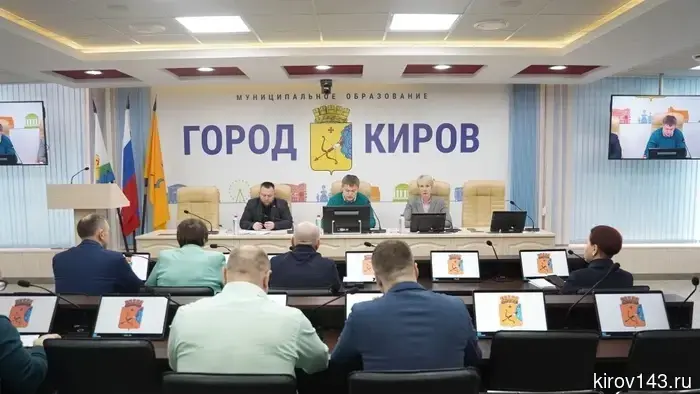 Чиновники проинформируют депутатов Кирова о положении дел в сфере малого и среднего предпринимательства.
Чиновники сообщат депутатам Кирова о положении дел в сфере малого и среднего предпринимательства.
Чиновники проинформируют депутатов Кирова о положении дел в сфере малого и среднего предпринимательства.
Чиновники сообщат депутатам Кирова о положении дел в сфере малого и среднего предпринимательства.
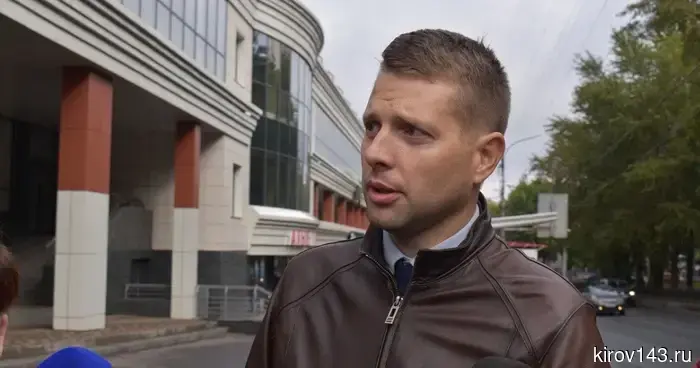 Артем Драчков стал министром транспорта Кировской области.
Артем Драчков стал министром транспорта Кировской области.
Артем Драчков стал министром транспорта Кировской области.
 Ипотечные сделки с новостройками в Кирове составили 80% от общего числа сделок.
В Кирове 80% сделок по ипотеке составляют покупки новостроек.
Ипотечные сделки с новостройками в Кирове составили 80% от общего числа сделок.
В Кирове 80% сделок по ипотеке составляют покупки новостроек.
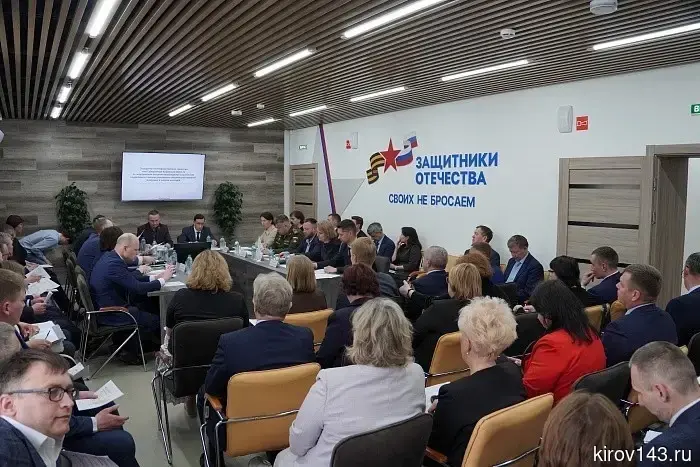 В регионах области будут открыты отделения фонда «Защитники Отечества».
В регионах области будут открыты отделения фонда «Защитники Отечества».
В регионах области будут открыты отделения фонда «Защитники Отечества».
 Crabs will want to retreat into themselves, and Pisces should not make promises.
Astrologers have reported what the second working day of the current week will be like for all zodiac signs.
Crabs will want to retreat into themselves, and Pisces should not make promises.
Astrologers have reported what the second working day of the current week will be like for all zodiac signs.
 Около 25% экспорта Кировской области направляется в страны ОИМ.
Практически четвертая часть экспорта из Кировской области направляется в страны ОИМ.
Около 25% экспорта Кировской области направляется в страны ОИМ.
Практически четвертая часть экспорта из Кировской области направляется в страны ОИМ.
Graduates in the Kirov region have been warned about scammers.
In the run-up to the exam campaign, schoolchildren and their parents are urged to be vigilant: fraudsters pose as employees of agencies, schools, and examination commissions to obtain personal data and seize funds.