
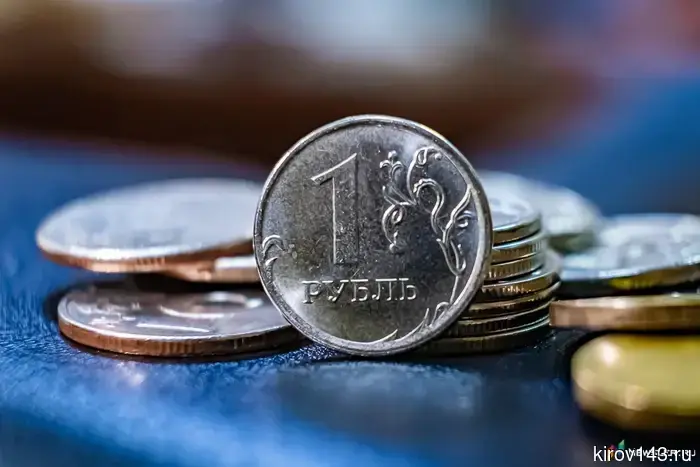
Pockets have gotten heavier: in six months, the amount of cash in Russians' wallets has increased by a quarter.
The trend recorded by the SuperJob service is clear: the wallets of the country's residents are once again filling up with paper and metal money. If in October 2025 the average Russian carried 3.5 thousand rubles, then in 2026 this figure reached 4.3 thousand rubles. The increase was 23%. The survey involved 11.6 thousand citizens from all districts.
The share of those who do not carry a single bill or coin in their pockets today is 27%. At the same time, the habits of men and women differ: they carry 5.1 thousand and 3.1 thousand respectively.
The older a person is, the more cash they prefer to keep on hand. Citizens under 35 limit themselves to 2.1 thousand rubles, while survey participants aged 45 and older have an average of 4.8 thousand rubles with them.
Education also makes a noticeable difference. Holders of higher education carry an average of 4.7 thousand rubles. In contrast, Russians with secondary vocational education carry only 1.9 thousand rubles. Moreover, among the latter, every third person (31%) does not use cash at all.
High income, as expected, increases the amount in the wallet. Respondents earning over 150 thousand rubles per month carry an average of 5.8 thousand rubles. For 5% of this group, the amount exceeds 20 thousand. At the same time, they are less likely to refuse cash than those who earn less.
As for geography, in six million-plus cities—Moscow, Voronezh, Kazan, Yekaterinburg, Rostov-on-Don, and Krasnodar—the average amount of cash this year turned out to be the same: 4.5 thousand rubles. Residents of the capital (29%) and St. Petersburg (26%) are the most likely to not carry bills and coins. Meanwhile, among Nizhny Novgorod residents, there are the fewest of such individuals, but the amount they carry is more modest—an average of 3.5 thousand rubles.
Другие Новости Кирова (НЗК)
 В 2026 году мошенникам стали жертвами 1567 граждан Кировской области.
За прошедший период 2026 года злоумышленники, выдавая себя за сотрудников прокуратуры, ФСБ, налоговой службы, Центрального Банка, портала «Госуслуги», почты и энергосбыта, украли у жителей региона 493,7 млн рублей (за неделю - 45,1 млн рублей). Как сообщили в региональной прокуратуре, для общения, кроме
В 2026 году мошенникам стали жертвами 1567 граждан Кировской области.
За прошедший период 2026 года злоумышленники, выдавая себя за сотрудников прокуратуры, ФСБ, налоговой службы, Центрального Банка, портала «Госуслуги», почты и энергосбыта, украли у жителей региона 493,7 млн рублей (за неделю - 45,1 млн рублей). Как сообщили в региональной прокуратуре, для общения, кроме
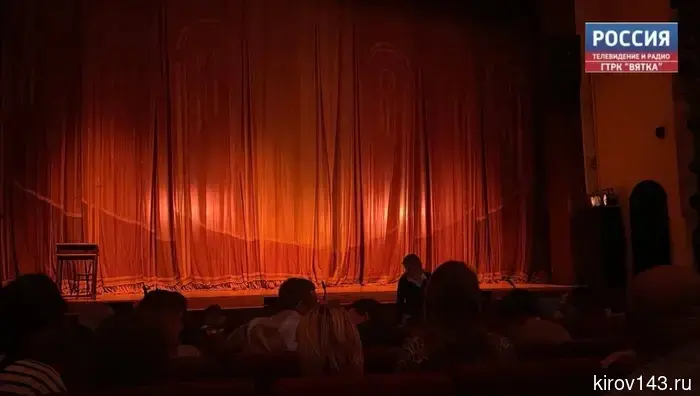 Кировчан приглашают на отчетный концерт детской филармонии.
19 мая в 18:00 в большом зале Вятской филармонии пройдет юбилейный концерт Детской филармонии города Кирова, приуроченный к «35 годам бесконечного творчества». Как сообщает городская администрация, на сцене выступят коллективы, которые стали символом города. Также муниципальное учреждение культуры...
Кировчан приглашают на отчетный концерт детской филармонии.
19 мая в 18:00 в большом зале Вятской филармонии пройдет юбилейный концерт Детской филармонии города Кирова, приуроченный к «35 годам бесконечного творчества». Как сообщает городская администрация, на сцене выступят коллективы, которые стали символом города. Также муниципальное учреждение культуры...
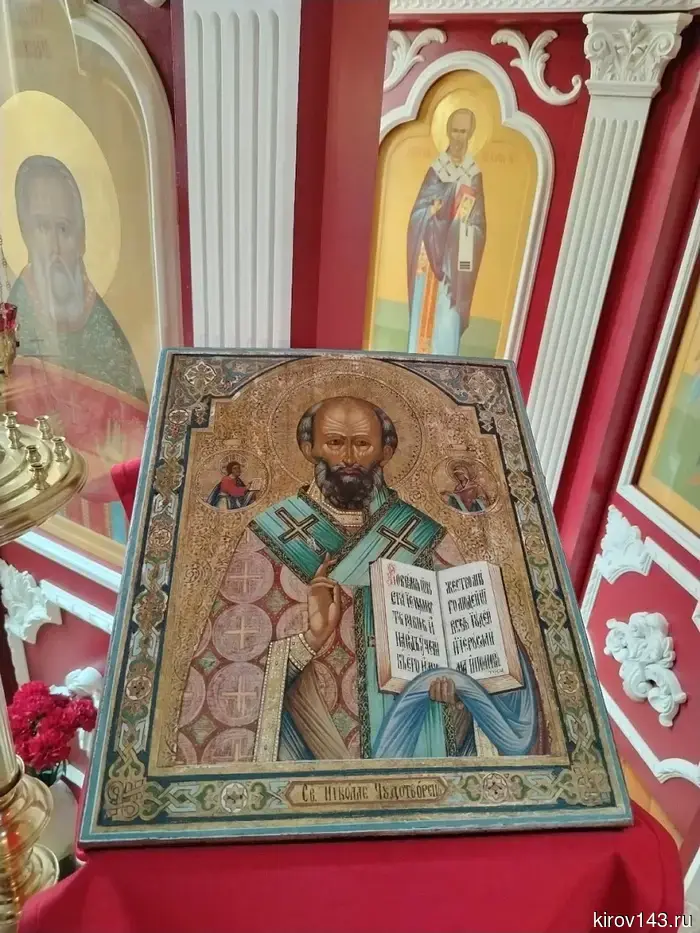 At the fence of the temple in Kirov, an ancient icon of St. Nicholas the Wonderworker was left.
An unknown benefactor brought an image of Saint Nicholas to the church gates. The icon was discovered early in the morning by the guards. The rector ordered it to be brought into the altar and consecrated on the eve of the saint's feast day — May 21.
At the fence of the temple in Kirov, an ancient icon of St. Nicholas the Wonderworker was left.
An unknown benefactor brought an image of Saint Nicholas to the church gates. The icon was discovered early in the morning by the guards. The rector ordered it to be brought into the altar and consecrated on the eve of the saint's feast day — May 21.
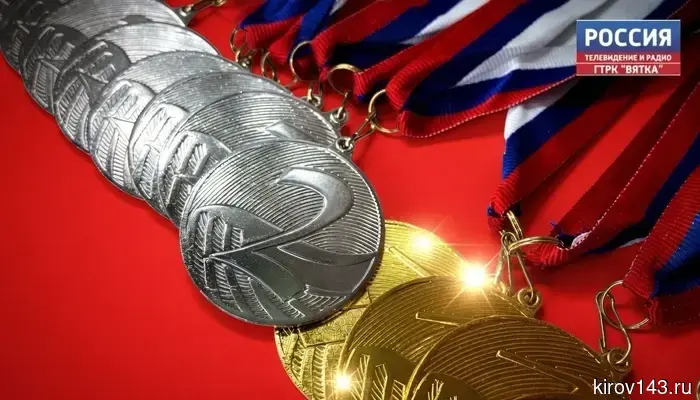 Кировский спортсмен завоевал серебряную медаль на Всероссийских соревнованиях по дзюдо.
В Коврове прошли Всероссийские соревнования по дзюдо «Патриот», приуроченные к 81-й годовщине Победы в Великой Отечественной войне, для юношей и девушек до 18 лет. Как сообщил региональный минспорт, на татами выступили более 200 участников из 17 регионов и четырёх федеральных округов.
Кировский спортсмен завоевал серебряную медаль на Всероссийских соревнованиях по дзюдо.
В Коврове прошли Всероссийские соревнования по дзюдо «Патриот», приуроченные к 81-й годовщине Победы в Великой Отечественной войне, для юношей и девушек до 18 лет. Как сообщил региональный минспорт, на татами выступили более 200 участников из 17 регионов и четырёх федеральных округов.
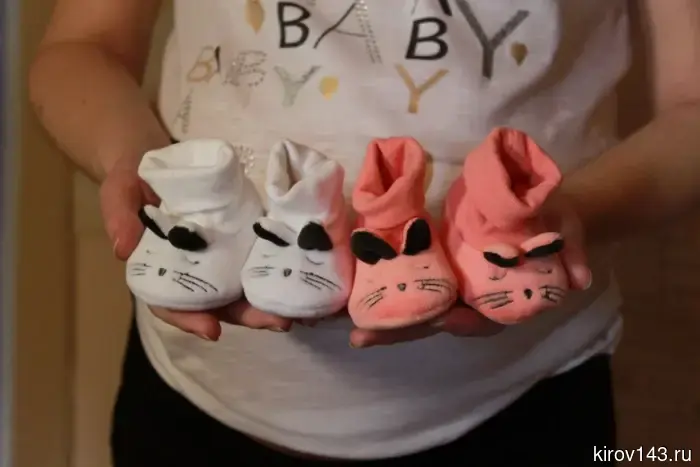 Husband's leave during wife's maternity leave: The Ministry of Labor explained who cannot be denied.
While a woman is on maternity leave, her husband is entitled to take paid annual leave — regardless of the schedule and length of service. The ministry clearly outlined why the employer has no right to say "no."
Husband's leave during wife's maternity leave: The Ministry of Labor explained who cannot be denied.
While a woman is on maternity leave, her husband is entitled to take paid annual leave — regardless of the schedule and length of service. The ministry clearly outlined why the employer has no right to say "no."
 Kirov residents were urged not to poke sticks at the cubs.
The regional ministry of environmental protection explained why one should not approach found moose calves, hares, or chicks.
Kirov residents were urged not to poke sticks at the cubs.
The regional ministry of environmental protection explained why one should not approach found moose calves, hares, or chicks.
Pockets have gotten heavier: in six months, the amount of cash in Russians' wallets has increased by a quarter.
Economically active citizens of Russia are increasingly refusing to use cashless payments in their daily lives. A recent study showed that the average amount of cash carried has jumped by 23% over the past six months. At the same time, nearly a third of Russians with a secondary vocational education fundamentally do not carry either banknotes or coins with them.