
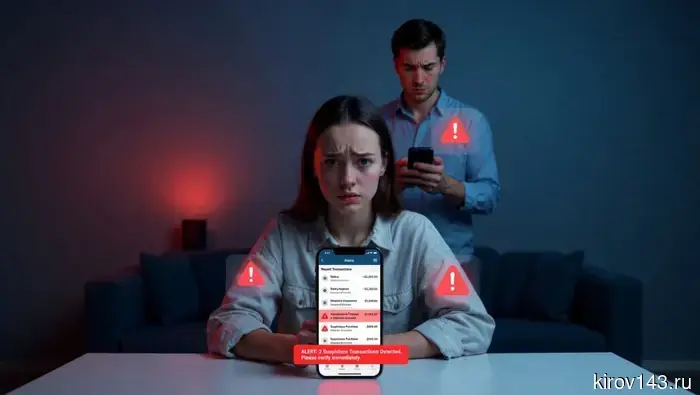
The map is not for business: The Federal Tax Service and the Central Bank named "alarm markers" for transfers between individuals.
Currently, millions of self-employed individuals, small entrepreneurs, and citizens renting out apartments or working as tutors receive money on personal debit cards. For the tax authorities, this represents lost billions of rubles. The new mechanism will allow banks to automatically flag suspicious transactions and transmit data to the Federal Tax Service without manual analysis.
What will identify an "entrepreneur": the main triggers
According to information from working groups of the agencies, the signal for additional tax assessments will be a combination of several "alarm markers." First and foremost, this includes the systematic and periodic nature of the receipts—not one-time transfers, but regular payments from different people. Even amounts of 200–300 rubles in a flow of 20–30 transactions per day will automatically be considered a sign of business activity.
A key financial benchmark is a turnover of over 2.4 million rubles per year—exactly the threshold set for self-employed individuals. Anyone earning more formally refuses to register illegally.
Suspicion may also arise from transfers from other regions (a sign of remote trading) and unusual transaction times—such as nighttime activity, characteristic of online sales or streaming donations.
Finally, banks will pay attention to a large number of unique senders not related to you by family ties, as well as accompanying messages like "for a jacket," "for a manicure," or "rent."
Exceptions: what will not be touched
To avoid blocking everyday transfers, the Central Bank and the Federal Tax Service have prepared a list of safe scenarios. In these cases, the bank will not transmit data, even if the threshold for amount or frequency is formally violated.
First and foremost, this includes transfers within the family and close circle—not only parents, children, and spouses, but also civil partners (cohabitants), as well as possibly siblings.
Transfers of one's own funds between personal cards and one-time transfers of large sums—such as selling a car, receiving a loan from a friend, or repaying a debt, provided this does not happen systematically—are also exempt from suspicion.
Who is at risk
Millions of Russians working without registration are at risk: beauty professionals, tutors, trainers, builders, and small resellers on "Avito."
Additionally, taxi and delivery drivers, as well as landlords collecting payments on cards from different tenants, are also affected.
What will happen to violators
If the Federal Tax Service proves the entrepreneurial nature of the receipts, there will be additional income tax assessments at a rate of 13–22% on the entire turnover (without accounting for expenses), along with penalties and fines of up to 40% of the unpaid amount.
Failure to pay taxes on amounts exceeding 2.7 million rubles over three years may lead to criminal liability—a fine of up to 500,000 rubles or imprisonment for up to three years.
When to expect
Official criteria are still being discussed, but they may be approved by an interdepartmental order in the fall of 2026.
Banks are already testing algorithms: the largest credit organizations have begun blocking "entrepreneurial" cards without explanation.
Experts advise legalizing oneself in advance—registering as self-employed or as an individual entrepreneur under the simplified tax system—to avoid risking all savings on the card.
Другие Новости Кирова (НЗК)
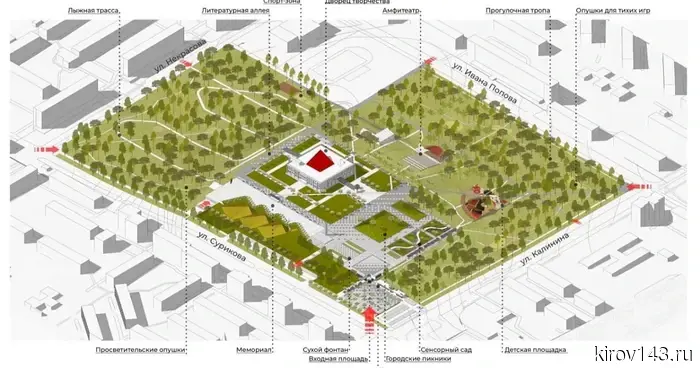 Для благоустройства территории Дворца творчества-Мемориала в Кирове выделено 375,9 миллиона рублей.
На обустройство территории Дворца творчества-Мемориала в Кирове выделено 375,9 миллиона рублей.
Для благоустройства территории Дворца творчества-Мемориала в Кирове выделено 375,9 миллиона рублей.
На обустройство территории Дворца творчества-Мемориала в Кирове выделено 375,9 миллиона рублей.
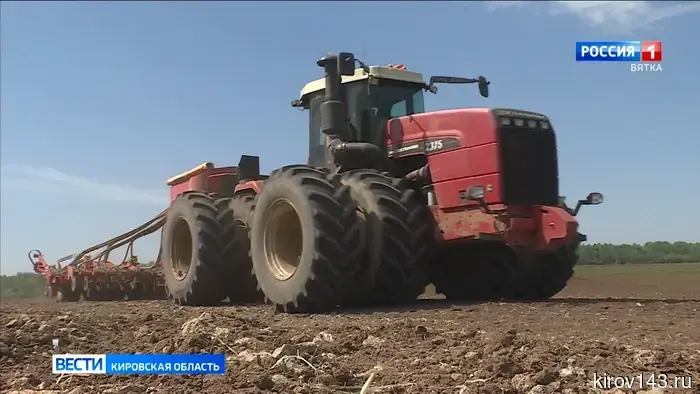 15 районов Кировской области начали проведение полевых работ.
Аграрные предприятия Кировской области продолжают весеннюю посевную кампанию. Высокая влажность почвы замедляет масштабные полевые работы, но они уже начались в 15 районах и муниципальных округах региона. Сеют в хозяйствах Зуевского, Подосиновского и Белохолуницкого районов.
15 районов Кировской области начали проведение полевых работ.
Аграрные предприятия Кировской области продолжают весеннюю посевную кампанию. Высокая влажность почвы замедляет масштабные полевые работы, но они уже начались в 15 районах и муниципальных округах региона. Сеют в хозяйствах Зуевского, Подосиновского и Белохолуницкого районов.
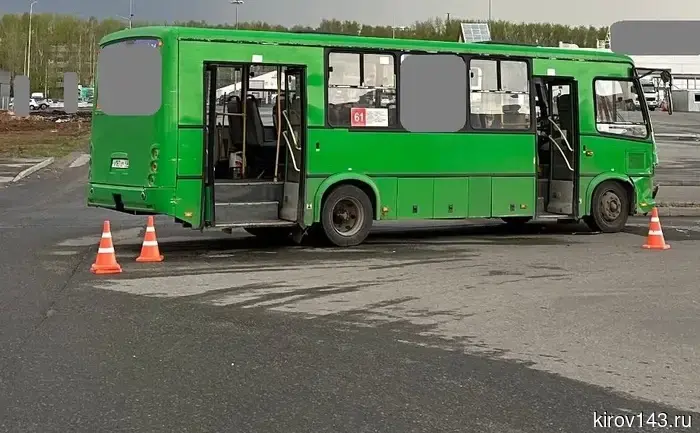 Четырёхлетняя девочка пострадала в результате аварии между автобусом и кроссовером в Кирове.
В среду, 6 мая, в 14:15, на территории парковки торгового центра на улице Луганской в областном центре произошло столкновение между автобусом ПАЗ городского маршрута № 61 и автомобилем «Мицубиси». По предварительным данным сотрудников ГИБДД Кировской области, в результате инцидента пострадала...
Четырёхлетняя девочка пострадала в результате аварии между автобусом и кроссовером в Кирове.
В среду, 6 мая, в 14:15, на территории парковки торгового центра на улице Луганской в областном центре произошло столкновение между автобусом ПАЗ городского маршрута № 61 и автомобилем «Мицубиси». По предварительным данным сотрудников ГИБДД Кировской области, в результате инцидента пострадала...
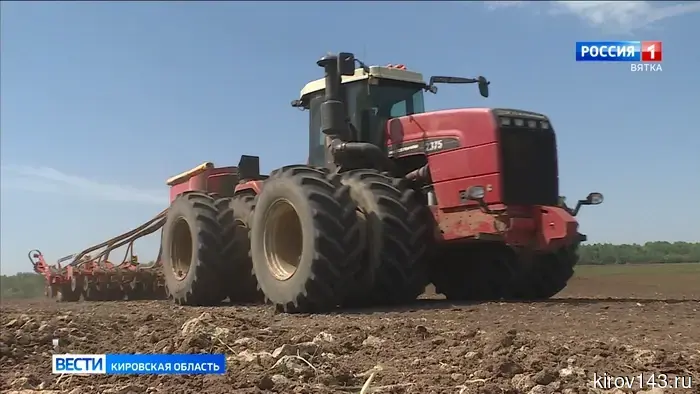 Полевые работы начались в 15 районах Кировской области.
Сельскохозяйственные предприятия Кировской области продолжают весеннюю посевную кампанию. Высокая влажность почвы замедляет обширные полевые работы, однако они уже начались в 15 районах и муниципальных округах региона. Хозяйства Зуевского, Подосиновского и Белохолуницкого районов уже приступили к севу.
Полевые работы начались в 15 районах Кировской области.
Сельскохозяйственные предприятия Кировской области продолжают весеннюю посевную кампанию. Высокая влажность почвы замедляет обширные полевые работы, однако они уже начались в 15 районах и муниципальных округах региона. Хозяйства Зуевского, Подосиновского и Белохолуницкого районов уже приступили к севу.
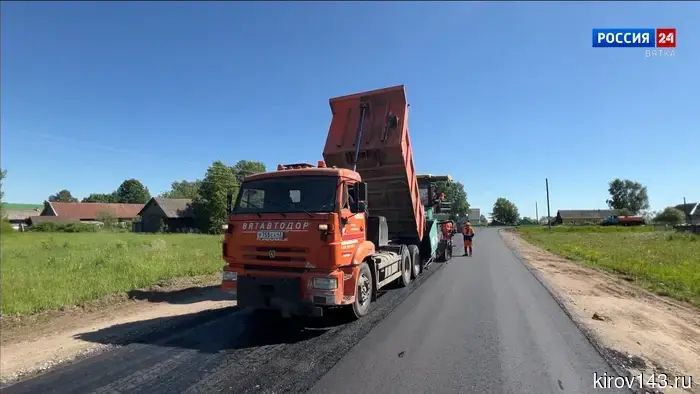 Итоги новостей Кировской области.
На потребительском рынке наблюдается стабилизация цен на яйца. В регионе начался сезон ремонта местных дорог в рамках проекта «Дорожный миллиард», а в Вятскополянском районе объявлен карантин по бешенству. Все подробности представлены в нашем обзоре новостей из районов Кировской области. За последние сутки согласно данным
Итоги новостей Кировской области.
На потребительском рынке наблюдается стабилизация цен на яйца. В регионе начался сезон ремонта местных дорог в рамках проекта «Дорожный миллиард», а в Вятскополянском районе объявлен карантин по бешенству. Все подробности представлены в нашем обзоре новостей из районов Кировской области. За последние сутки согласно данным
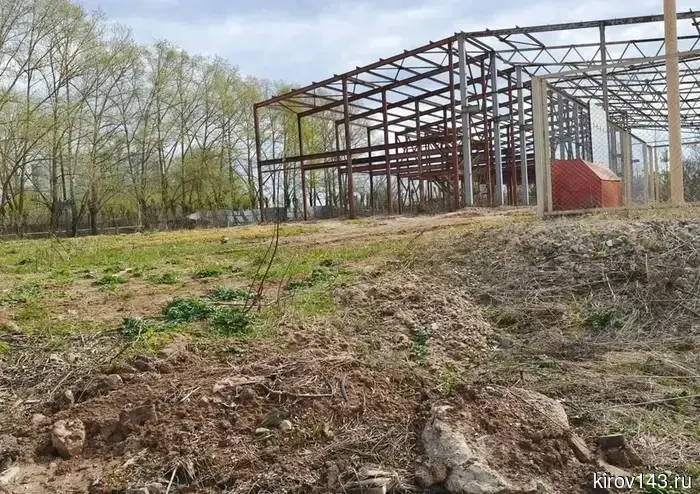 In Sloboda, Poskrebyshev eliminated an illegal dump.
Environmental oversight officials discovered a dump during an on-site inspection.
In Sloboda, Poskrebyshev eliminated an illegal dump.
Environmental oversight officials discovered a dump during an on-site inspection.
The map is not for business: The Federal Tax Service and the Central Bank named "alarm markers" for transfers between individuals.
The Federal Tax Service and the Bank of Russia are close to creating a system for the automatic detection of "gray" businesses that receive payments on personal cards. The agencies are developing clear criteria under which transfers from card to card will no longer be considered private and will become grounds for a tax audit. Which operations will come under scrutiny and which will be deemed safe — in the material from Newsler.