

Only 22% of Kirov residents agree to a six-day workweek with an eight-hour workday.
It turned out that even with an eight-hour workday, the idea of a six-day workweek does not meet with widespread support. Only 22% of respondents stated that they are willing to work six days a week. The main condition is that the sixth working day must be paid at the standard rate. At the same time, 62% of those surveyed responded with a categorical refusal. They value their weekends more than the potential extra earnings. Men agree to a six-day workweek more often: 25% compared to 18% among women. Women from Kirov explain their position: "When will we live?!", "The family will be neglected, and what to do with the child?! The kindergarten doesn't operate on Saturday." Willingness to work six days a week decreases with age. Among employees under 35, 26% are willing, while among those over 45, only 15% are. The level of education also matters. Among Kirov residents with higher education, 16% agree to a six-day workweek, while among those with secondary vocational education, the figure is 27%. As for income, the relationship is nonlinear. Among those earning up to 100,000 rubles a month, 17% are ready to increase their workload. Among those whose income exceeds 150,000 rubles, the proportion of those willing is higher—22%. The survey was conducted among citizens working on a 5-day week schedule.
Другие Новости Кирова (НЗК)
 Роман Береснев представил новые инициативы по борьбе с алкоголизмом на федеральном уровне.
Роман Береснев предложил новые инициативы по борьбе с алкоголизмом на федеральном уровне.
Роман Береснев представил новые инициативы по борьбе с алкоголизмом на федеральном уровне.
Роман Береснев предложил новые инициативы по борьбе с алкоголизмом на федеральном уровне.
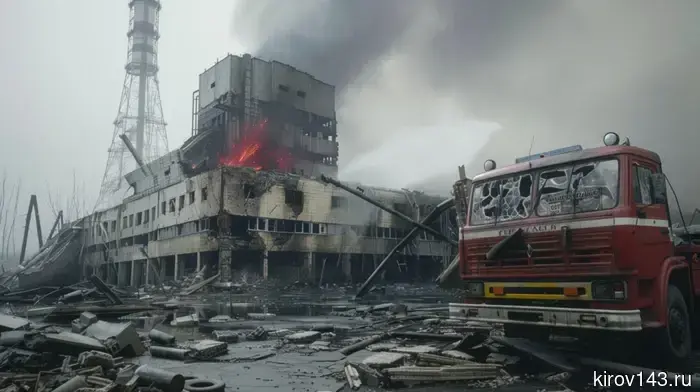 Chernobyl disaster: 40 years later. How it was and what the zone is like today.
On April 26, 1986, at 1:23 AM, the world was shaken by news that was initially impossible to comprehend: the explosion at the Chernobyl nuclear power plant. Four decades later, this tragedy remains a symbol of technological threat and human heroism. Today, on the 40th anniversary of the disaster, we remember the chronicles of events, the heroism of the liquidators, and the lessons that were never fully learned.
Chernobyl disaster: 40 years later. How it was and what the zone is like today.
On April 26, 1986, at 1:23 AM, the world was shaken by news that was initially impossible to comprehend: the explosion at the Chernobyl nuclear power plant. Four decades later, this tragedy remains a symbol of technological threat and human heroism. Today, on the 40th anniversary of the disaster, we remember the chronicles of events, the heroism of the liquidators, and the lessons that were never fully learned.
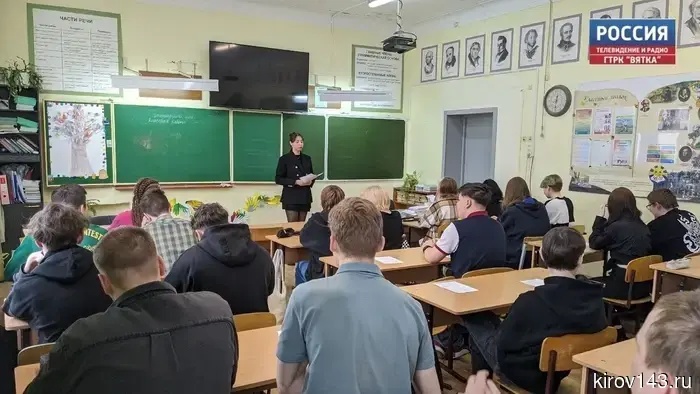 Девятиклассники региона прошли итоговое собеседование по русскому языку в последнюю дополнительную дату.
В Кировской области девятиклассники завершили итоговое собеседование по русскому языку в последний дополнительный срок, как сообщили в министерстве образования региона. Испытание прошло в 32 образовательных учреждениях, его сдали 41 выпускник, заканчивающий освоение образовательных программ основного общего образования.
Девятиклассники региона прошли итоговое собеседование по русскому языку в последнюю дополнительную дату.
В Кировской области девятиклассники завершили итоговое собеседование по русскому языку в последний дополнительный срок, как сообщили в министерстве образования региона. Испытание прошло в 32 образовательных учреждениях, его сдали 41 выпускник, заканчивающий освоение образовательных программ основного общего образования.
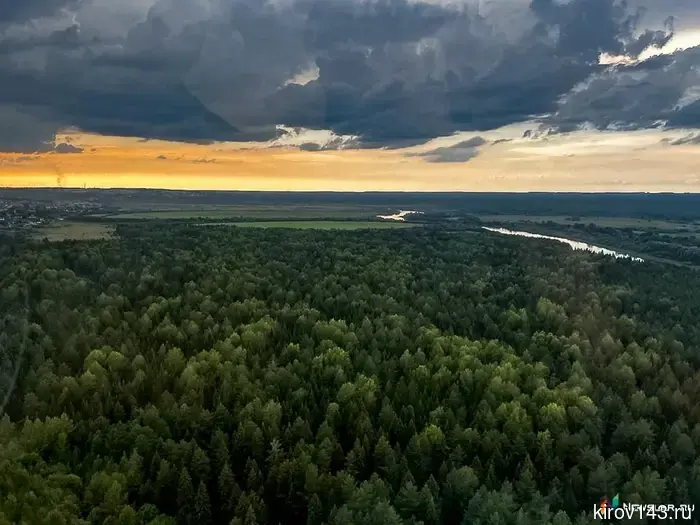 The Ministry of Emergency Situations has published a weather warning.
Residents of the Kirov region have been warned about worsening weather.
The Ministry of Emergency Situations has published a weather warning.
Residents of the Kirov region have been warned about worsening weather.
 Леса Кировской области будут охранять самолеты и дроны.
Сохранить вятские леса для будущих поколений удастся благодаря совместным усилиям работников лесной охраны, арендаторов лесных участков и граждан. С 6 по 24 апреля Департамент лесного хозяйства Приволжского федерального округа осуществлял проверку готовности регионов к предстоящему.
Леса Кировской области будут охранять самолеты и дроны.
Сохранить вятские леса для будущих поколений удастся благодаря совместным усилиям работников лесной охраны, арендаторов лесных участков и граждан. С 6 по 24 апреля Департамент лесного хозяйства Приволжского федерального округа осуществлял проверку готовности регионов к предстоящему.
 The authorities announced when a general decline in water levels in the region's rivers is expected.
The government shared information about the flooding.
The authorities announced when a general decline in water levels in the region's rivers is expected.
The government shared information about the flooding.
Only 22% of Kirov residents agree to a six-day workweek with an eight-hour workday.
Billionaire Oleg Deripaska suggested that Russians work from 8:00 AM to 8:00 PM six days a week. However, the SuperJob service decided to find out the attitude of Kirov residents towards a softer option — a six-day week with a standard eight-hour schedule.