

Laughter for protection: Russians named humor the main shield against stress
In the run-up to April Fool's Day, the sociological platform Rambler&Co summarized the results of a survey among 2,900 internet users to understand the role humor plays in the lives of Russians today. The results showed that the audience clearly distinguishes between "humor for the soul" and "humor for the sake of it," and increasingly uses jokes as a conscious method of combating anxiety.
The study revealed that humor has long ceased to be just background noise for Russians. Almost 30% of respondents admitted that in moments of nervous tension, a well-timed joke acts as an "anchor," helping to maintain balance. Another 28% use laughter to reset their brains when they want to distract themselves from routine. Interestingly, only 13% of respondents remain indifferent to jokes, while 9% see them solely as a social function—a way to connect with others.
Analysts also noted a return to the roots: the internet is no longer the main generator of memes. More than half of the participants (51%) draw the best jokes not from social media feeds but from real life. Moreover, the close circle plays a decisive role here: 31% of funny situations come from family, while 20% come from colleagues and friends. Only a third of respondents still rely on messengers and public groups, while humor from TV shows and stand-up performances inspires only 17% of citizens.
As for content, the favorites today are "humor here and now." The leader of the ranking (41%) consists of everyday sketches: situations at work, family troubles, and the "charm" of communal living. In second place (31%) is absurdity—things that cannot be logically predicted. The political agenda, which was traditionally considered rich in memes, today generates jokes for only 13% of respondents.
Special attention in the survey was given to ethical questions. Sociologists found that a stable demand for tactfulness has formed in society. Almost half of Russians (47%) are categorically against mocking disasters and personal grief. Another 19% do not accept jokes about the serious life situations of friends and acquaintances, while 14% consider comments about appearance and health unacceptable. Interestingly, 13% of respondents adhere to a libertarian approach, deeming any topics acceptable as long as there is no direct insult.
When faced with inappropriate sharpness, the audience shows pragmatism. Only 4% are willing to endure discomfort and laugh out of politeness. The rest prefer constructive responses: 30% will directly comment on the joker, 29% will silently exit the dialogue to avoid escalating the situation, and 18% will use the "communication hygiene" method, simply excluding from their lives those whose sense of humor does not suit them.
Другие Новости Кирова (НЗК)
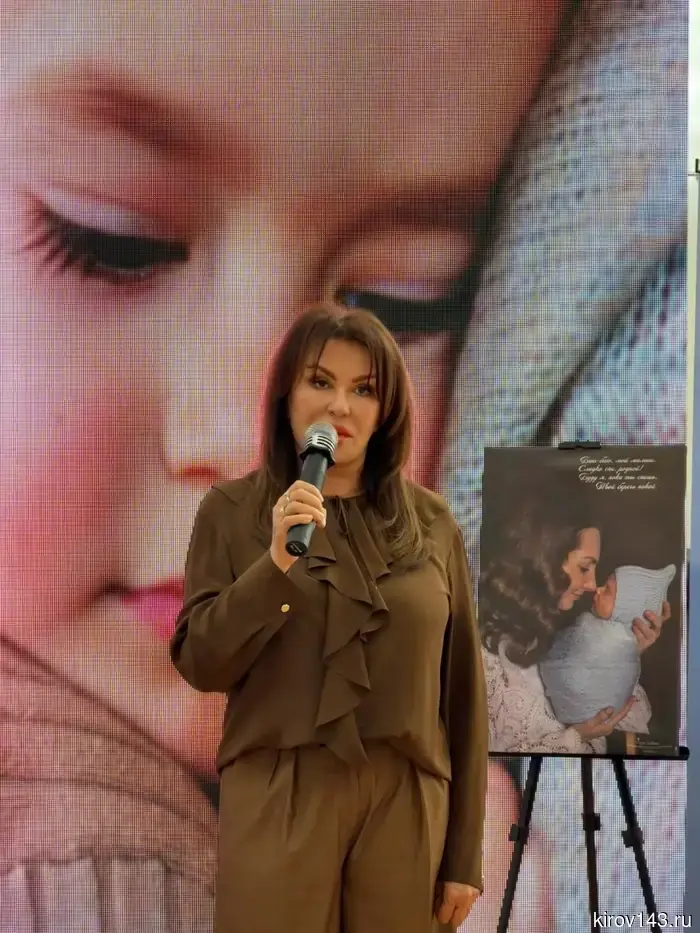 "The event 'There Are No Stranger Children' took place for the sixth time."
Last weekend in Kirov, the sixth annual interdepartmental forum "There Are No Strangers' Children" took place, in which the founder of the "Sovermed" medical centers, Susanna Anikitsina-Yungblut, participated.
"The event 'There Are No Stranger Children' took place for the sixth time."
Last weekend in Kirov, the sixth annual interdepartmental forum "There Are No Strangers' Children" took place, in which the founder of the "Sovermed" medical centers, Susanna Anikitsina-Yungblut, participated.
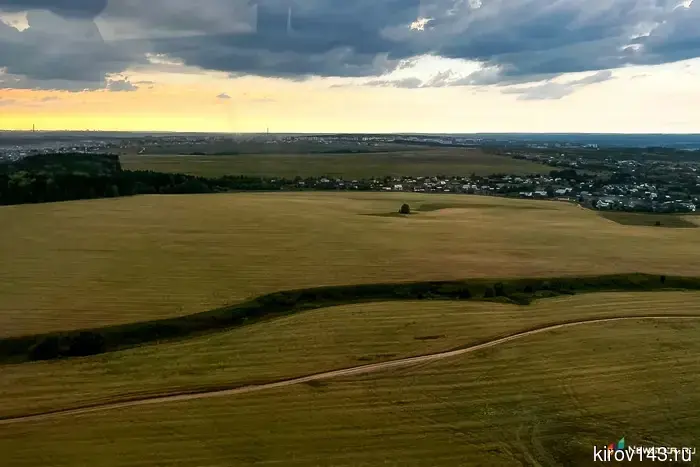 In the Kotelnichsky district, an individual entrepreneur was fined twice for pesticides.
Specialists identified a number of violations.
In the Kotelnichsky district, an individual entrepreneur was fined twice for pesticides.
Specialists identified a number of violations.
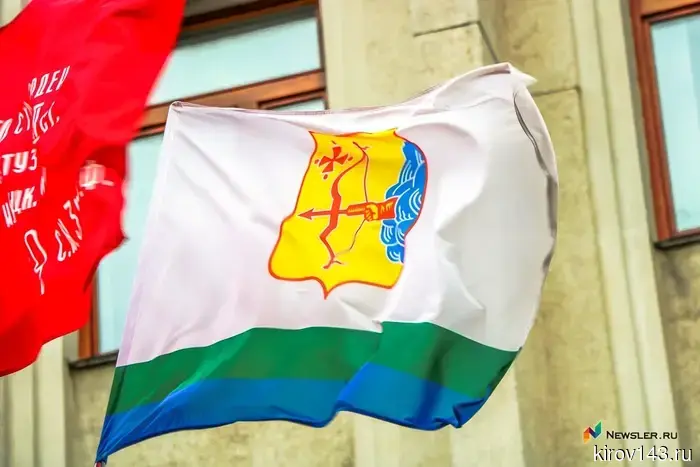 Sokolov will go to Uzbekistan.
Kirov enterprises will go to an international exhibition in Uzbekistan, where they will showcase their products and hold negotiations on cooperation.
Sokolov will go to Uzbekistan.
Kirov enterprises will go to an international exhibition in Uzbekistan, where they will showcase their products and hold negotiations on cooperation.
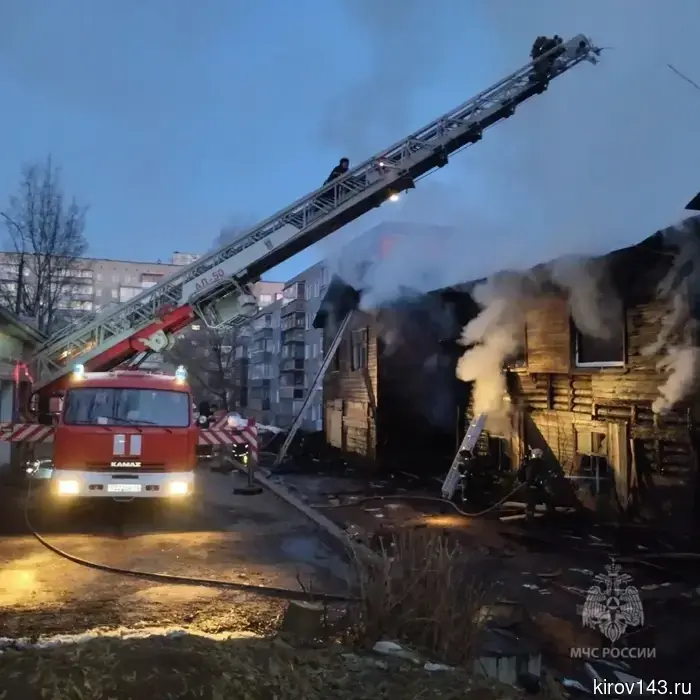 В центре Кирова случился пожар.
Сегодня в 03:13 поступила информация о пожаре в двухэтажном деревянном нежилом доме. Региональное Управление МЧС сообщило о подробностях. В тушении принимали участие 30 сотрудников и 11 единиц техники МЧС России. Открытое горение на площади 300 м² было ликвидировано к 5 часам утра. Пострадавших нет. На месте происшествия
В центре Кирова случился пожар.
Сегодня в 03:13 поступила информация о пожаре в двухэтажном деревянном нежилом доме. Региональное Управление МЧС сообщило о подробностях. В тушении принимали участие 30 сотрудников и 11 единиц техники МЧС России. Открытое горение на площади 300 м² было ликвидировано к 5 часам утра. Пострадавших нет. На месте происшествия
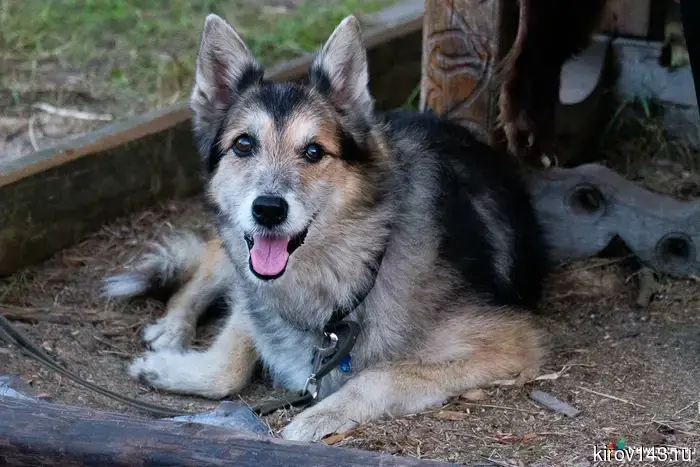 A collection of food for cats and dogs will take place in Kirov.
They will also collect necessary items for the animals.
A collection of food for cats and dogs will take place in Kirov.
They will also collect necessary items for the animals.
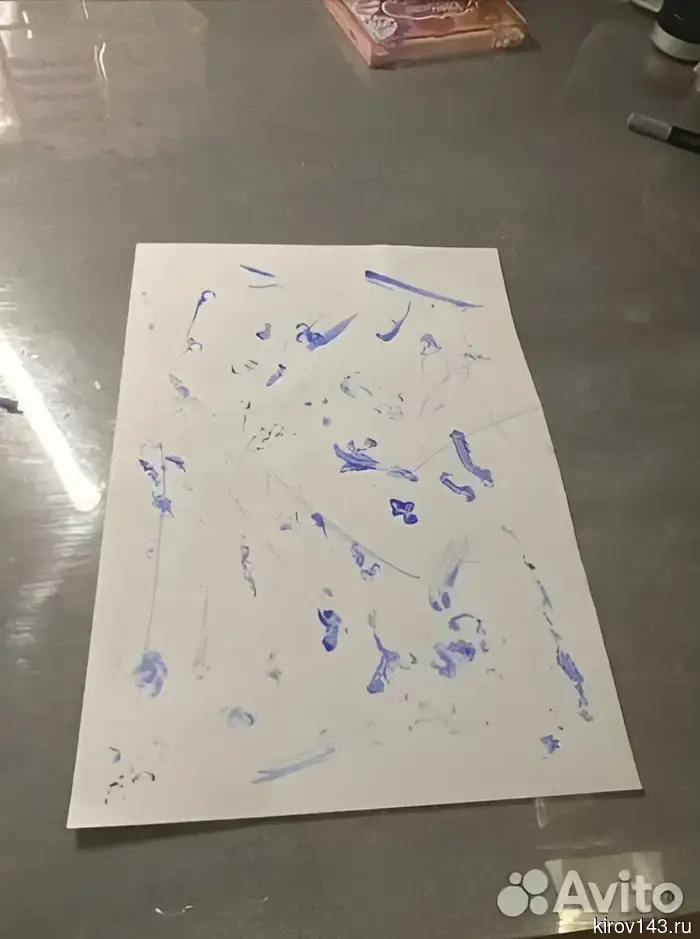 In Kirov, "Psychotic Sparrows" are being sold for seven million.
An unusual offer has appeared on Avito from Kirov.
In Kirov, "Psychotic Sparrows" are being sold for seven million.
An unusual offer has appeared on Avito from Kirov.
Laughter for protection: Russians named humor the main shield against stress
In the run-up to April 1, the media holding Rambler&Co found out how Russians' attitudes towards jokes have changed in difficult times. It turned out that for most residents of the country, laughter is not just entertainment, but a full-fledged tool of psychotherapy. At the same time, internet memes are losing ground to live communication, and the main taboo for jokes remains the topics of tragedies and human sorrow.