
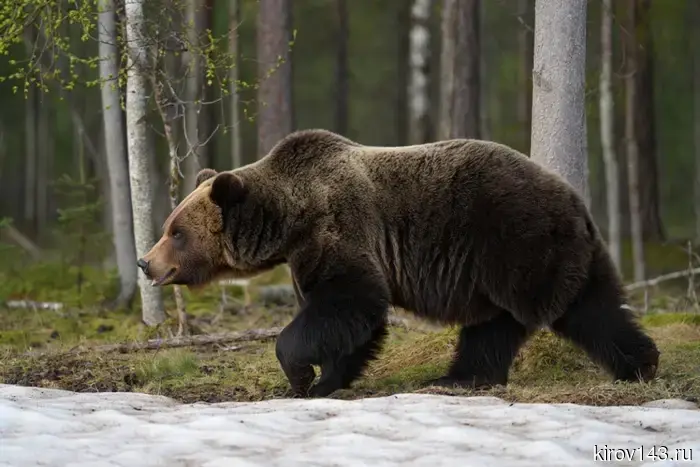
March in the forest: the bear comes out of hibernation, the moose is growing antlers.
In March, life begins to awaken in the forests, and wild animals start to lead a more active lifestyle: some are cleaning their burrows after winter hibernation, while others are looking for a mate and are fully engaged in reproducing their kind. Bears emerge from their dens at the end of March. On the first patches of bare ground, they dig up tubers, roots, insect larvae, and raid anthills. Moose walk along paths, feeding near well-trodden roads. Male moose begin to grow their antlers. The March habitats of wild boars are dense, swampy thickets, and the main food for the "forest pig" is the rhizomes of marsh plants. Wolves finish their mating season. Adult wolves stay in pairs near the future den. New arrivals and yearlings are in free areas. Wolves also begin their spring shedding. In March, lynxes enter their mating season. Males make long journeys in search of females. Young lynxes separate from their mother and begin to lead an independent life. Foxes continue their mating season in March. Each pair settles in old burrows. Foxes also begin to shed in March. Martens may show signs of false mating in March, but actual mating occurs much later. For boars, the mating season is coming to an end. Feeding conditions become complicated—dried cones open up, and seeds spill out. In such conditions, squirrels switch to feeding on seeds from cones that have fallen to the ground. The rut begins for boars and ferrets. For weasels, it is the peak of spring activity and shedding. At the end of March, badgers wake from their winter hibernation. They start to clean their burrows. Soon after emerging from the burrow, females give birth. One to two weeks after the appearance of offspring, some badgers experience a new mating. Raccoon dogs leave their burrows or shelters. The mating season begins, lasting up to a month and a half. By the end of March, hares may already have their first litter—young hares—but some of them perish due to frequent frosts. Beavers come to the surface due to a lack of food and the need for additional supplies. Under conditions of food scarcity, muskrats feed on mollusks and, in some cases, find themselves in complete food absence, which often leads to death.
Другие Новости Кирова (НЗК)
 Lviv awaits a draw, while the Fish face a dangerous acquaintance.
Astrologers predicted what will happen to each zodiac sign on Thursday, March 26.
Lviv awaits a draw, while the Fish face a dangerous acquaintance.
Astrologers predicted what will happen to each zodiac sign on Thursday, March 26.
 Дмитрий Чернышенко выделил Александра Соколова за работу с молодежными пространствами.
Дмитрий Чернышенко выделил Александра Соколова за создание молодежных пространств.
Дмитрий Чернышенко выделил Александра Соколова за работу с молодежными пространствами.
Дмитрий Чернышенко выделил Александра Соколова за создание молодежных пространств.
 В Кировской детской поликлинике №3 закончился капитальный ремонт.
В детской поликлинике №3 Детского диагностического центра (ДДЦ) по адресу улица Пролетарская, д. 21 завершились значительные ремонтные работы. Они проходили поэтапно: сначала в одном крыле поликлиники, затем в другом, при этом медицинская помощь не приостанавливалась, сообщила главврач ДДЦ Мария Савинова.
В Кировской детской поликлинике №3 закончился капитальный ремонт.
В детской поликлинике №3 Детского диагностического центра (ДДЦ) по адресу улица Пролетарская, д. 21 завершились значительные ремонтные работы. Они проходили поэтапно: сначала в одном крыле поликлиники, затем в другом, при этом медицинская помощь не приостанавливалась, сообщила главврач ДДЦ Мария Савинова.
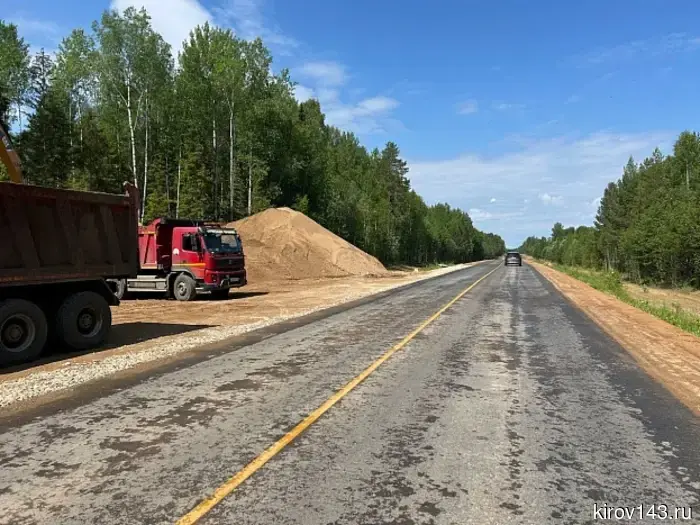 К 2030 году в Кировской области будет возведена асфальтовая дорога на северо-запад.
Губернатор Кировской области Александр Соколов в интервью федеральному телеканалу «Россия 24» подчеркнул, что наш регион обширен, простираясь с севера на юг и с востока на запад, поэтому проблема дорог имеет для жителей первостепенное значение. — В течение последних четырех лет в области было построено 150 км дорог.
К 2030 году в Кировской области будет возведена асфальтовая дорога на северо-запад.
Губернатор Кировской области Александр Соколов в интервью федеральному телеканалу «Россия 24» подчеркнул, что наш регион обширен, простираясь с севера на юг и с востока на запад, поэтому проблема дорог имеет для жителей первостепенное значение. — В течение последних четырех лет в области было построено 150 км дорог.
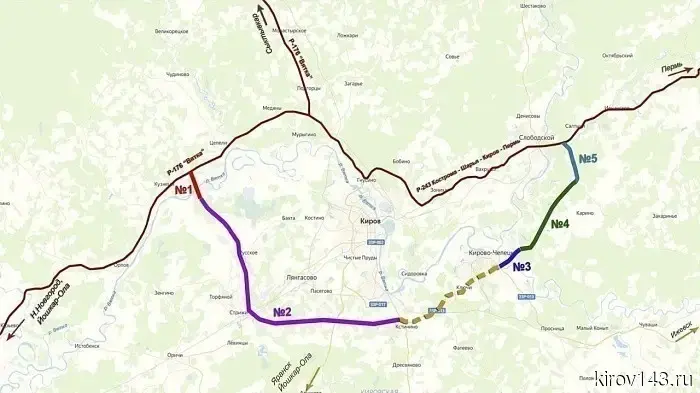 Росавтодор проводит исследование, касающееся обоснования строительства обхода Кирова.
Росавтодор проводит исследование обоснования строительства обхода города Кирова.
Росавтодор проводит исследование, касающееся обоснования строительства обхода Кирова.
Росавтодор проводит исследование обоснования строительства обхода города Кирова.
 В Кирове будет организована горячая линия для консультаций по вопросам защиты прав детей.
26 марта, в четверг, состоится горячая линия для сбора информации о неблагополучных семьях и случаях жестокого обращения с детьми. Мероприятие организует управление опеки и попечительства администрации города Кирова. Звонки будут приниматься по телефону 54-64-34 с 09:00 до 11:00 утра. Граждане смогут сообщить о том, что ребенок...
В Кирове будет организована горячая линия для консультаций по вопросам защиты прав детей.
26 марта, в четверг, состоится горячая линия для сбора информации о неблагополучных семьях и случаях жестокого обращения с детьми. Мероприятие организует управление опеки и попечительства администрации города Кирова. Звонки будут приниматься по телефону 54-64-34 с 09:00 до 11:00 утра. Граждане смогут сообщить о том, что ребенок...
March in the forest: the bear comes out of hibernation, the moose is growing antlers.
The Ministry of Natural Resources of the Kirov Region reported how wild animals live in March.