

In Russia, the operation of foreign AI models, including ChatGPT, may be restricted.
The document has been published for public discussion and is planned to come into effect on September 1, 2027. As explained by Kirill Dyakov, a senior lawyer at MWS AI (part of MTS Web Services), "cross-border technologies" refer to foreign AI models, the use of which sends user data, queries, and dialogues to developers outside of Russia. He mentioned models such as ChatGPT, Claude, and Gemini as examples.
At the same time, open models, such as Qwen or DeepSeek, can be safely deployed and further trained in a closed environment on the infrastructure of government organizations and companies. In this case, all data will remain within this infrastructure.
The bill also introduces requirements for owners of AI-based services with a daily audience of more than 500,000 people. They will be required to store user information on the territory of Russia for three years.
The lawyer noted that the current version of the document does not specify the exact cases in which a ban or restriction may follow. The bill is aimed at protecting citizens from hidden manipulations and discriminatory algorithms.
It is worth noting that many foreign neural networks, including ChatGPT, Claude, and Gemini, are already unavailable to users from Russia due to the policies of the services themselves and existing sanctions restrictions.
Другие Новости Кирова (НЗК)
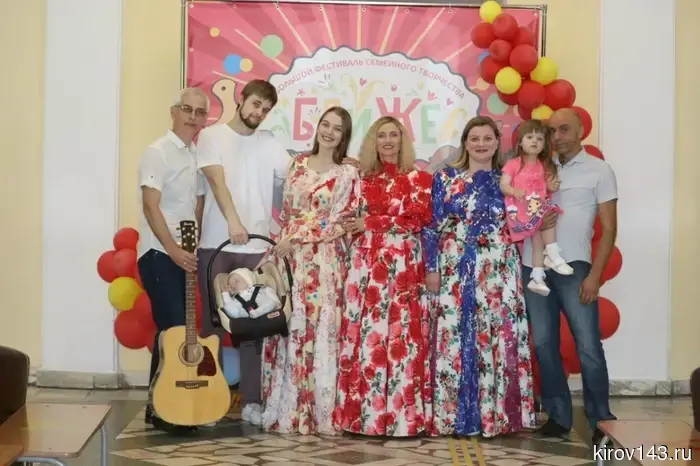 The names of the new graduates have been inscribed in the annals of Greenland.
As reported on his channel in MAX by the Chairman of the "Greenlandia" festival, Oleg Valenchuk, the jury has determined the diploma winners for November of the traditional distance competition of the All-Russian Author's Song Festival "Greenlandia" named after I.D. Kobzon "Faithful Sons of the Motherland" (6+). This month, the title of diploma winner was awarded to 31 participants.
The names of the new graduates have been inscribed in the annals of Greenland.
As reported on his channel in MAX by the Chairman of the "Greenlandia" festival, Oleg Valenchuk, the jury has determined the diploma winners for November of the traditional distance competition of the All-Russian Author's Song Festival "Greenlandia" named after I.D. Kobzon "Faithful Sons of the Motherland" (6+). This month, the title of diploma winner was awarded to 31 participants.
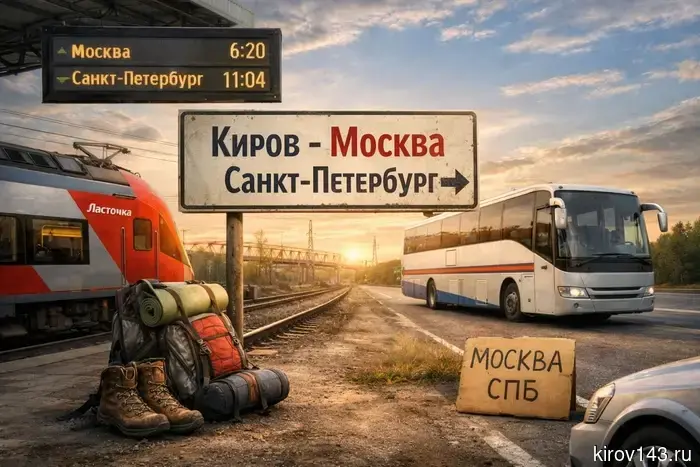 "7 days on foot": how to get to the capitals after the closure of Pobedilovo
Starting from April 22, residents of Kirov will be without air travel for almost a month and a half. The Pobedilovo airport will be closed for repairs, and the usual flights to Moscow and St. Petersburg will disappear. The editorial team at Newsler became interested in how Kirov residents will now get to major cities, how long it will take, and how much it will cost.
"7 days on foot": how to get to the capitals after the closure of Pobedilovo
Starting from April 22, residents of Kirov will be without air travel for almost a month and a half. The Pobedilovo airport will be closed for repairs, and the usual flights to Moscow and St. Petersburg will disappear. The editorial team at Newsler became interested in how Kirov residents will now get to major cities, how long it will take, and how much it will cost.
 A resident of Darovsky was attempted to be swindled out of 5 million.
In the Darovsky district, a 52-year-old man nearly became a victim of remote scammers and could have lost more than 5 million rubles.
A resident of Darovsky was attempted to be swindled out of 5 million.
In the Darovsky district, a 52-year-old man nearly became a victim of remote scammers and could have lost more than 5 million rubles.
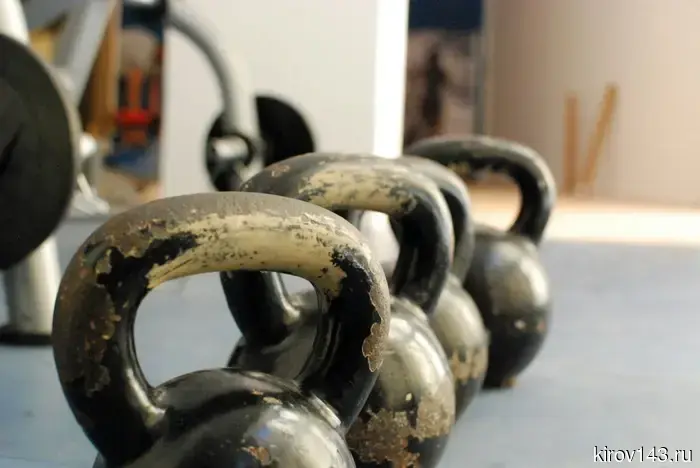 A 75-year-old resident of Kirov made his own weights and trained in the snow: he won a ticket to the finals of the GTO.
Valery Chernychev from the Kirov region was preparing for competitions in extreme conditions: while many of his peers prefer to relax in front of the television, the pensioner was crafting sports equipment with his own hands and recording exercises right on the snow.
A 75-year-old resident of Kirov made his own weights and trained in the snow: he won a ticket to the finals of the GTO.
Valery Chernychev from the Kirov region was preparing for competitions in extreme conditions: while many of his peers prefer to relax in front of the television, the pensioner was crafting sports equipment with his own hands and recording exercises right on the snow.
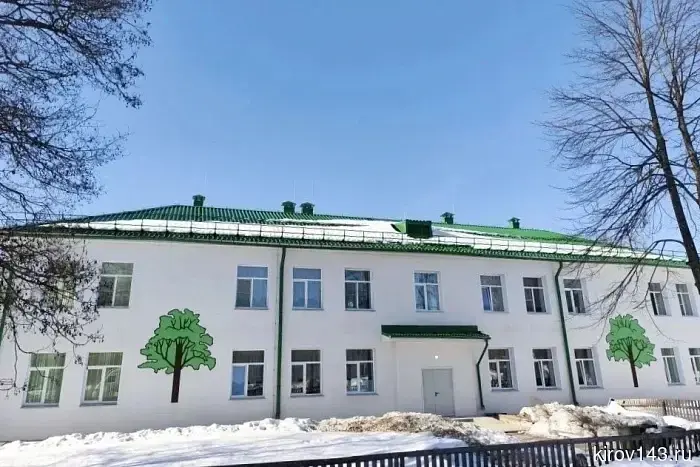 В Торфяном вновь начал работу детский сад после капитального ремонта.
Сегодня в поселке Торфяной Оричевского муниципального округа прошло торжественное открытие обновленного детского сада «Тополек». В правительстве Кировской области отметили, что здание подверглось капитальному ремонту в рамках национального проекта «Семья». Были обновлены фасад, фундамент, отмостка и кровля.
В Торфяном вновь начал работу детский сад после капитального ремонта.
Сегодня в поселке Торфяной Оричевского муниципального округа прошло торжественное открытие обновленного детского сада «Тополек». В правительстве Кировской области отметили, что здание подверглось капитальному ремонту в рамках национального проекта «Семья». Были обновлены фасад, фундамент, отмостка и кровля.
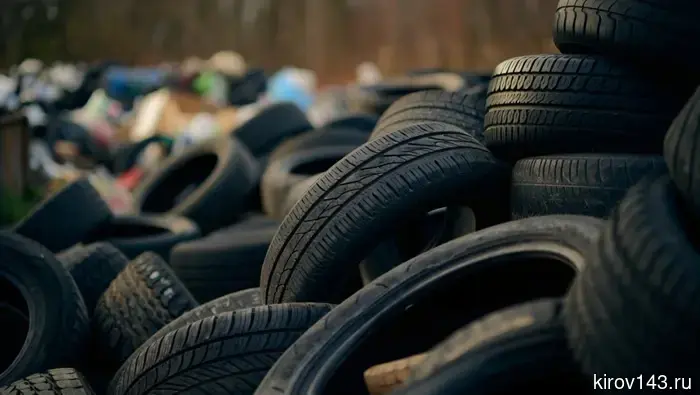 Kirov residents were told where they can dispose of old tires.
The addresses where old car tires can be disposed of for recycling have been announced.
Kirov residents were told where they can dispose of old tires.
The addresses where old car tires can be disposed of for recycling have been announced.
In Russia, the operation of foreign AI models, including ChatGPT, may be restricted.
The Ministry of Digital Development has developed a draft law on regulating artificial intelligence, which in some cases will allow for the prohibition or restriction of cross-border technologies.